In this article
A miniature charm has very little space to communicate its shape. A clear tail, broad face patch or recognizable outline usually works better than a crowded collection of details. The attachment matters just as much: the figure has to hang from a supported point while its face and silhouette remain visible against a bag.
These twenty-three concepts are decorative adult accessories, not toy specifications or complete crochet patterns. The pictures illustrate forms and cannot verify internal seams, loop strength or exact stitch placement. Choose a complete miniature design and suitable hardware, and keep the finished pieces away from young children. Small size does not guarantee easy or fast making; tiny openings, color changes and repeated finishing can demand considerable care.
Animal shapes with one clear identifying feature
1. Round chick charm
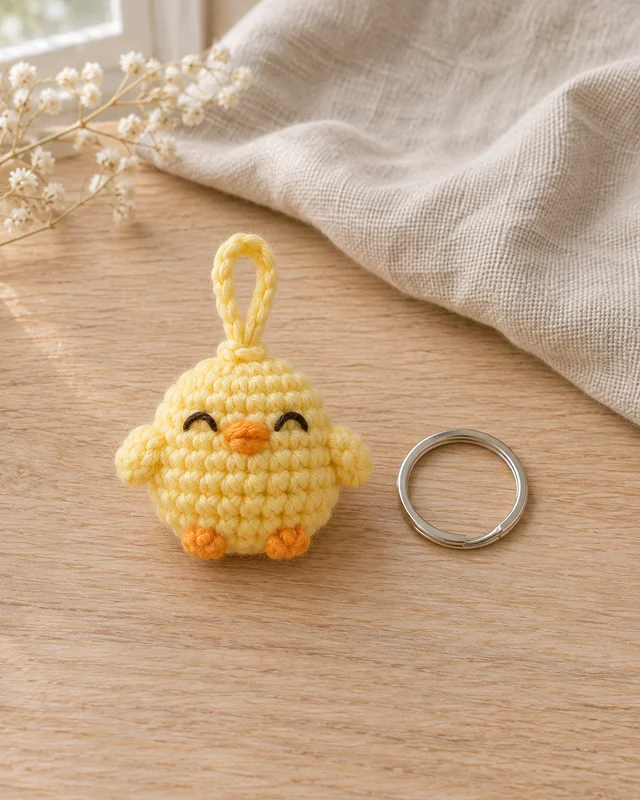
A round chick can stay readable with only a small beak, compact wings and stitched eyes. The attachment loop should emerge from a supported area rather than one loose surface strand. Its tiny size makes a restrained face more useful than several separate details. Treat this as an adult accessory concept, with the finished charm and metal hardware kept away from young children.
2. Flat owl charm
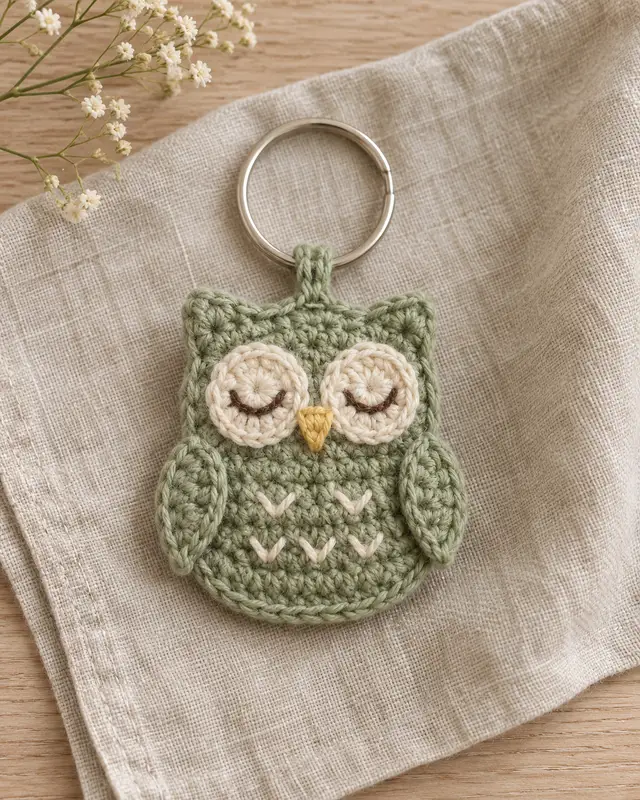
A flat owl offers a low profile against a bag panel. Two broad eye patches create recognition without requiring a heavily stuffed body. Keep the joining edge tidy because it remains visible around the entire outline. The top attachment should sit centrally enough for the owl to hang upright, and the patch seams need inspection before the front and back are finally closed.
3. Mini whale charm
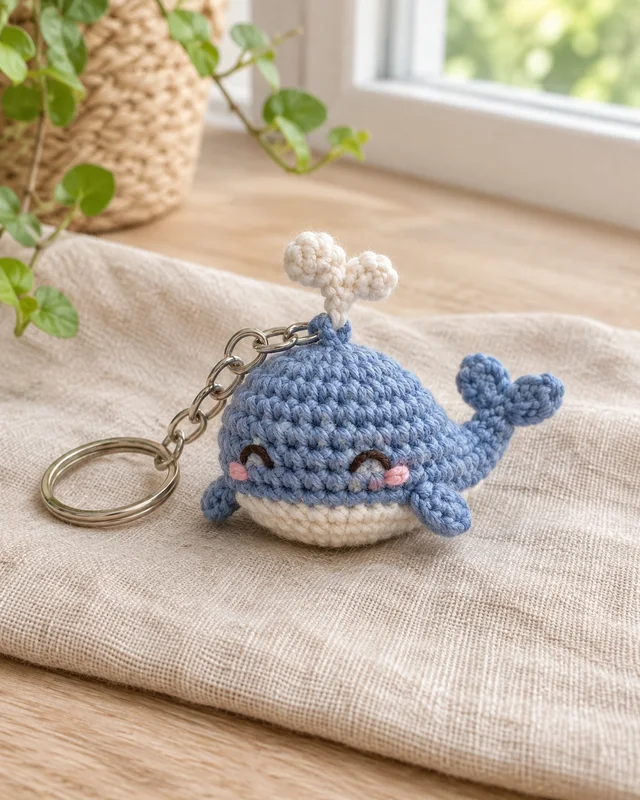
A whale combines a compact body with a clear tail and two small fins. Those projections are also the parts most likely to catch against other belongings. Choose their size and attachment from a complete charm pattern. A short upper loop can keep the figure near the key ring, while embroidered eyes avoid adding separate hard components to the face.
4. Pocket penguin charm
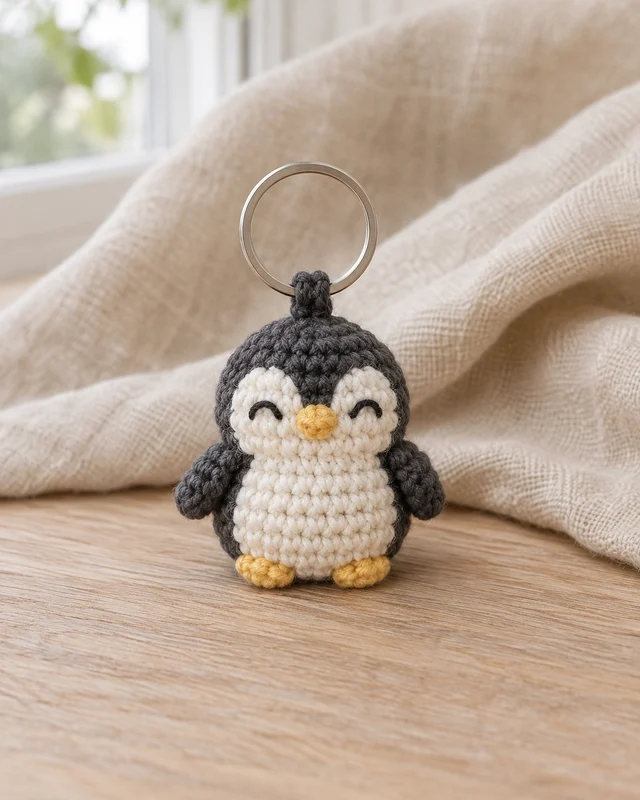
A penguin uses a simple two-color body to remain recognizable at miniature scale. Keep the pale belly area broad enough that it does not disappear beneath a crowded face. Tiny feet and side flippers add finishing work despite the small body. Check the hanging angle before closing the final seam so the attachment does not tip the face downward.
5. Long-eared bunny charm
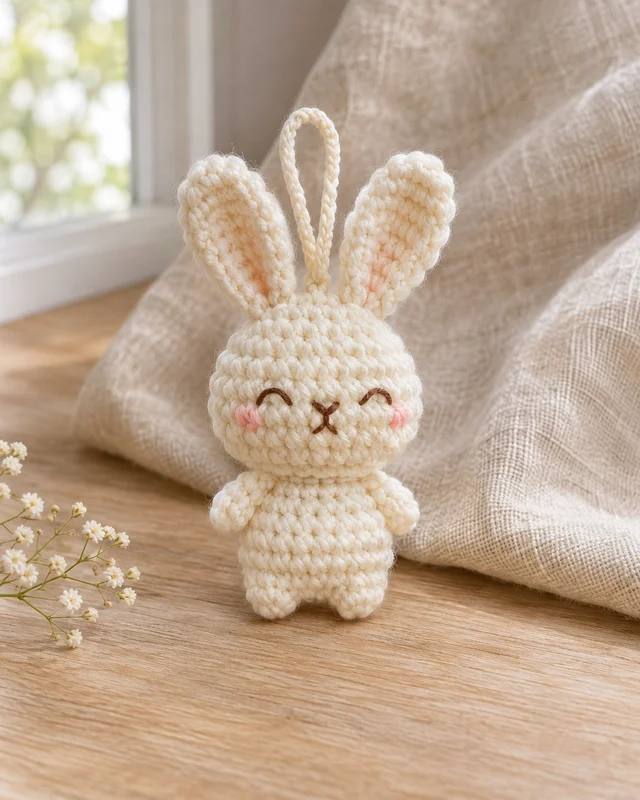
Long ears give a miniature rabbit height, but also create extra projections on a moving bag. A shorter, softly folded ear design may be more practical if the charm will brush against clothing. The chosen pattern should resolve the ear attachment and top loop together. Small finished dimensions do not establish a quick project; tiny seams can take substantial attention.
6. Turtle with a disk shell
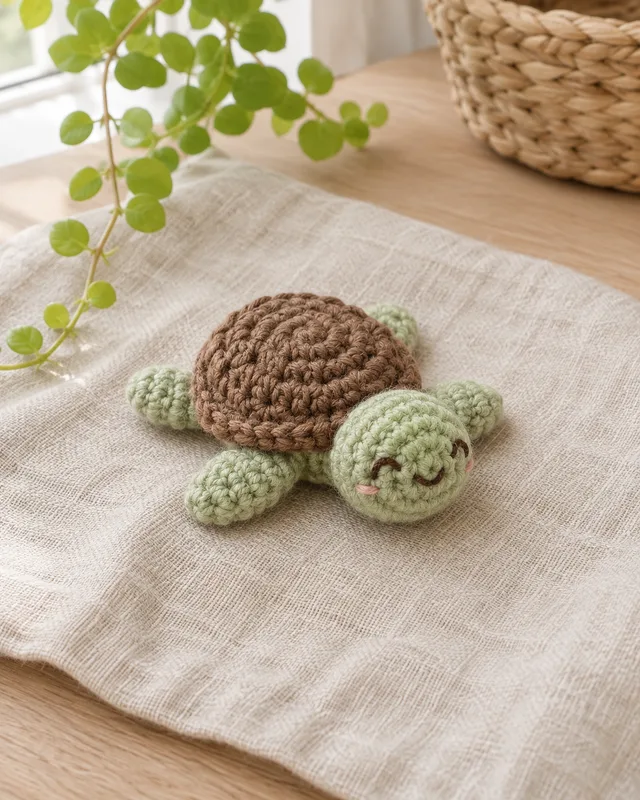
A low disk-shaped shell makes the turtle different from the round-bodied charms. Keep the head and four flippers visually separate while limiting unnecessary bulk at their joins. The hanging point needs to preserve the intended top view. Compare both faces before closing the shell, particularly if the loop is secured internally where it cannot be reached after stuffing.
7. Stubby octopus charm
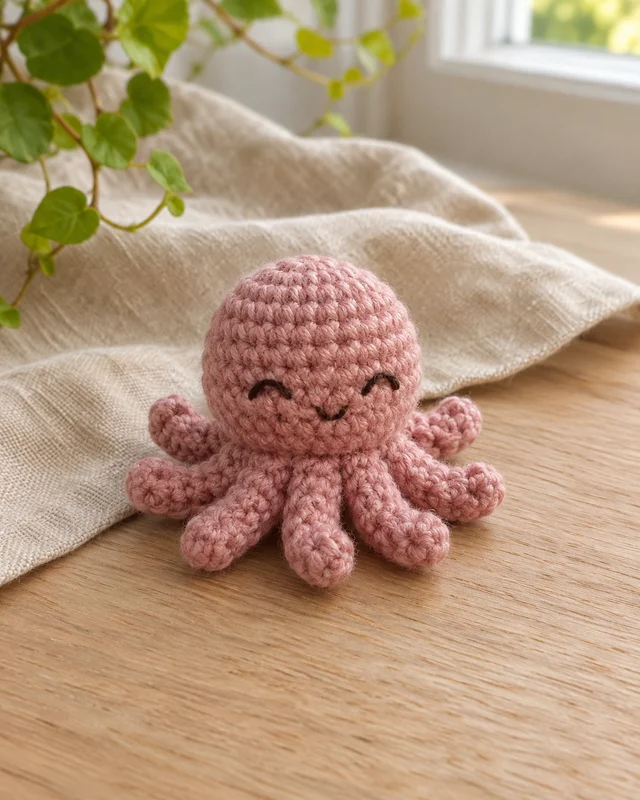
Short arms create a recognizable octopus outline without long dangling strands. They still need a complete construction method that explains their number, placement and connection to the body. Keep the face high enough to remain visible above the arm cluster. This miniature accessory is not a sensory toy specification, and its appearance does not establish suitability for babies or children.
8. Bee-shaped charm
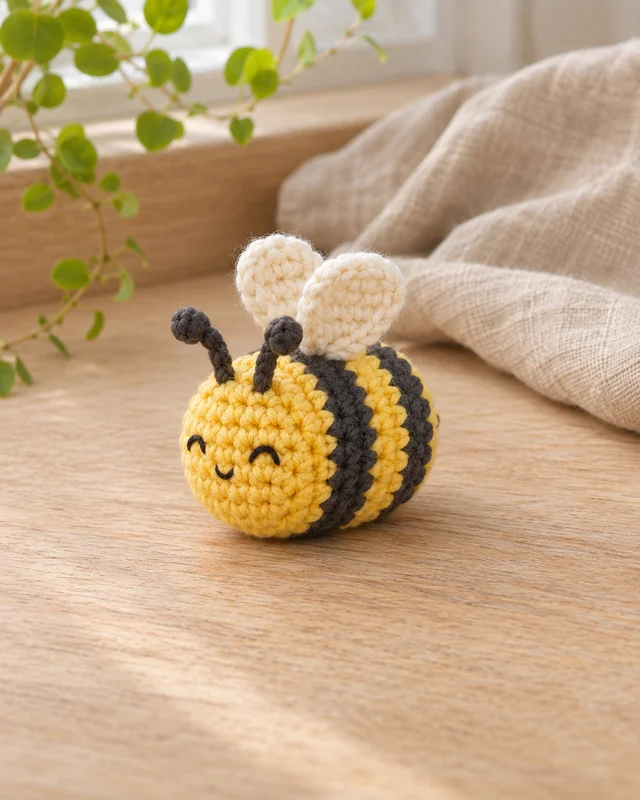
The bee relies on body bands and two small wings rather than a detailed face. Record the color-change sequence and finish the internal ends before the opening becomes too narrow. The wings should remain clearly attached when the charm moves. A short loop keeps the figure close to the hardware, but ordinary inspection is still needed for wear at that connection.
9. Ladybird dome charm
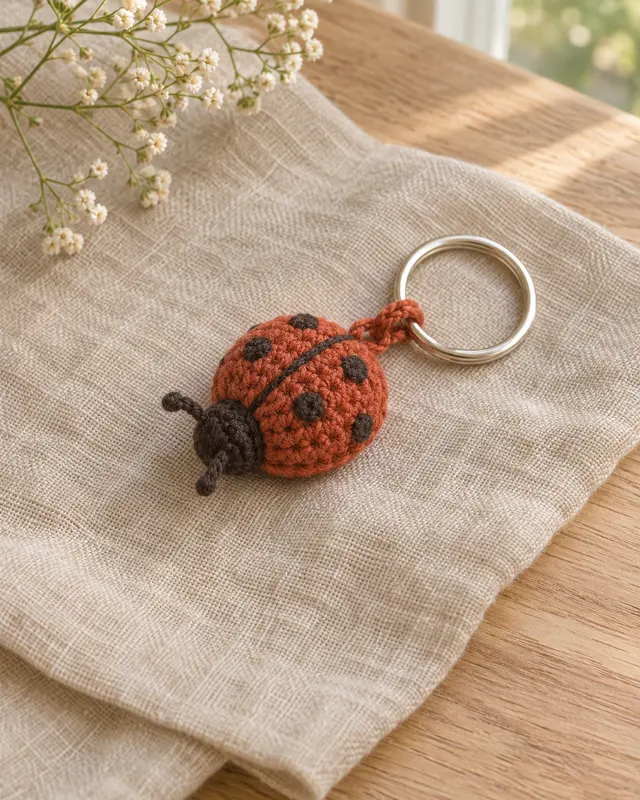
A domed ladybird brings a low, rounded shape with high-contrast surface spots. Embroidering those spots avoids separate beads, though the stitched details still need secure finishing. Keep the underside neat because it will be visible while the charm swings. Check that the attachment does not pull the dome onto its side or hide the dark center line of the design.
Fruit, plants and familiar little objects
10. Mushroom charm
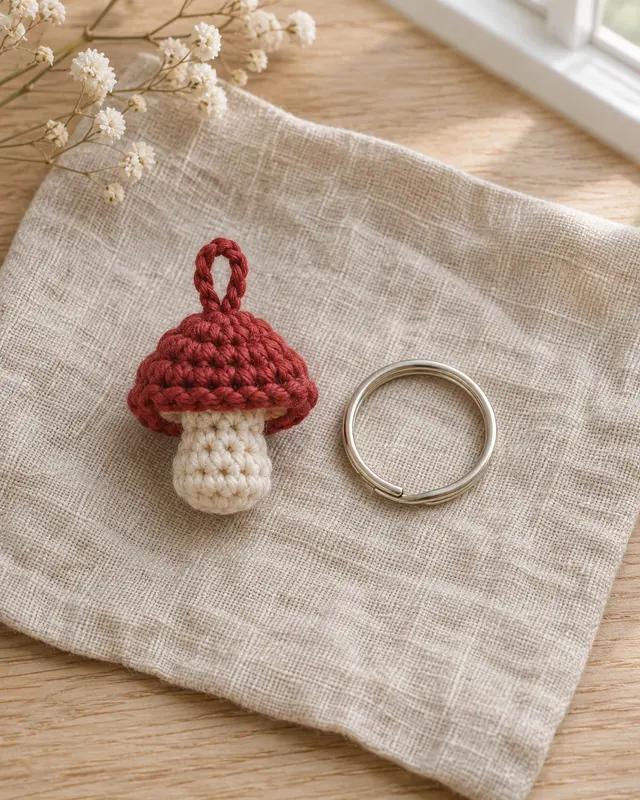
A mushroom combines a broad cap with a narrow stem, giving the charm a clear two-part silhouette. The cap overhang can catch against nearby objects, so keep the scale practical for the intended bag. Follow the selected design for securing the stem inside the cap. This is decorative crochet; a realistic-looking mushroom shape should never be treated as a botanical identification aid.
11. Acorn charm
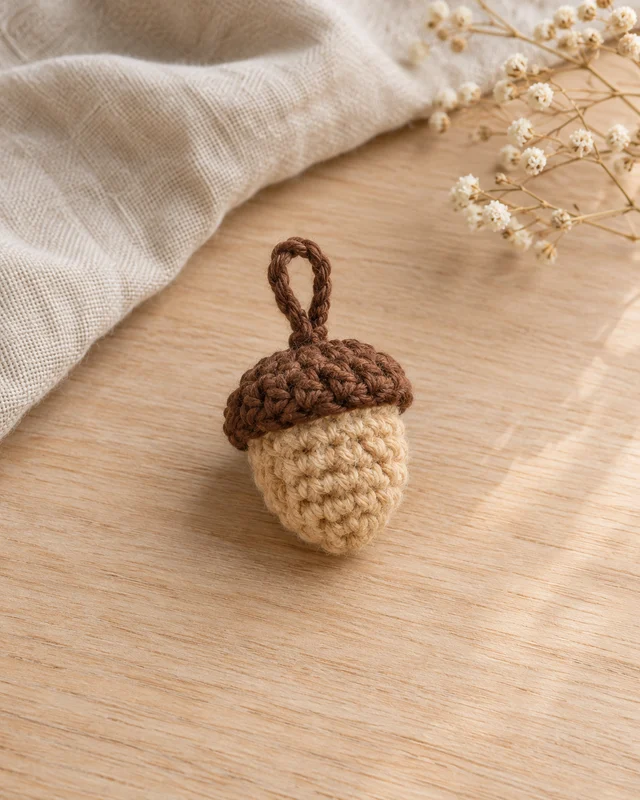
An acorn works through contrast between a smooth lower shape and a textured cap. Keep the two sections aligned before closing them, since the top loop draws attention to their junction. A small stitched stem can remain part of the yarn construction without added wood. The cap seam and hanging loop deserve separate inspection even when the main body is straightforward.
12. Mini pear charm
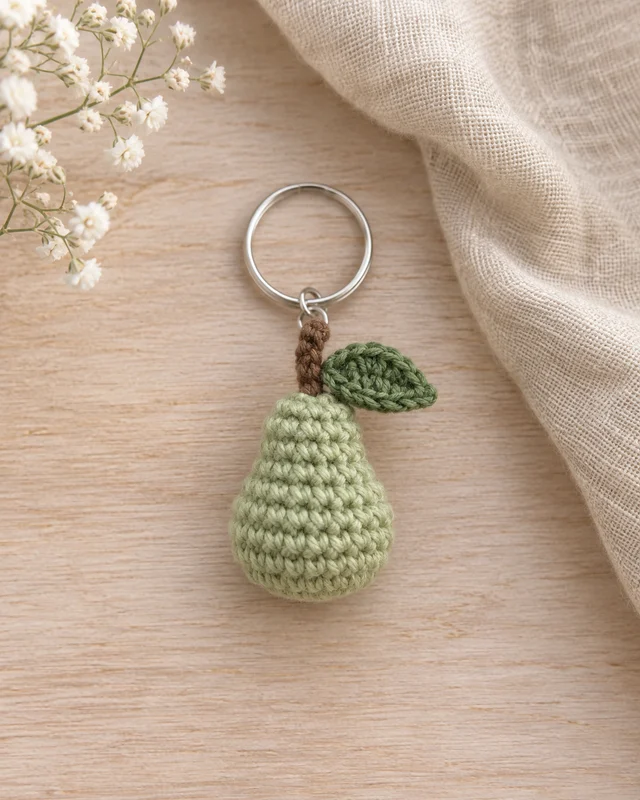
A pear gives you a narrow top and rounded lower body in one readable form. A short yarn stem and one flat leaf are enough to suggest the fruit. Avoid crowding the attachment around a fragile decorative stem; the carrying loop needs its own supported connection. Compare the hanging shape before closing the body so the pear remains upright on the ring.
13. Strawberry charm
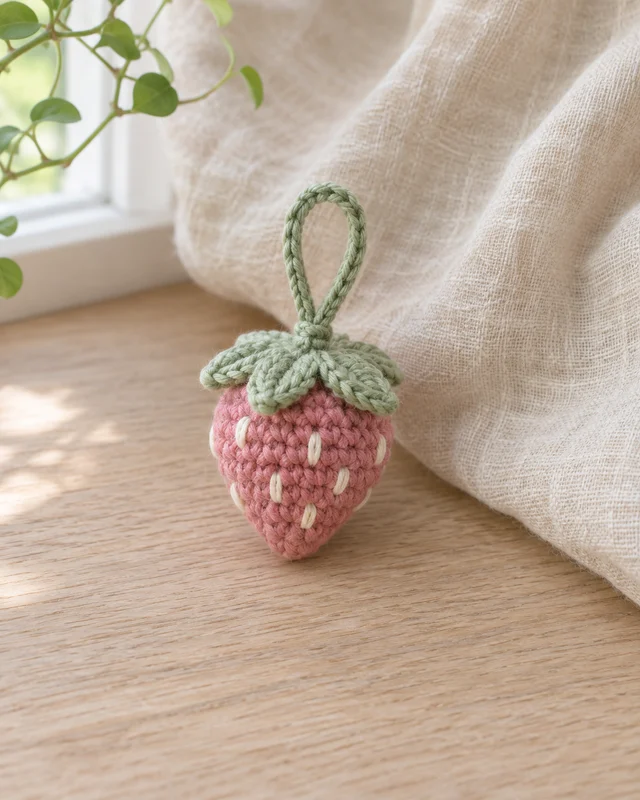
Embroidered seeds and a leafy top make a strawberry recognizable without extra surface hardware. Keep the leaves proportionate to the body so they do not conceal the attachment or curl into a bulky knot. The small color details can require more finishing than the simple outline suggests. Inspect the seed embroidery and leaf connections after the charm has been attached.
14. Little lemon charm
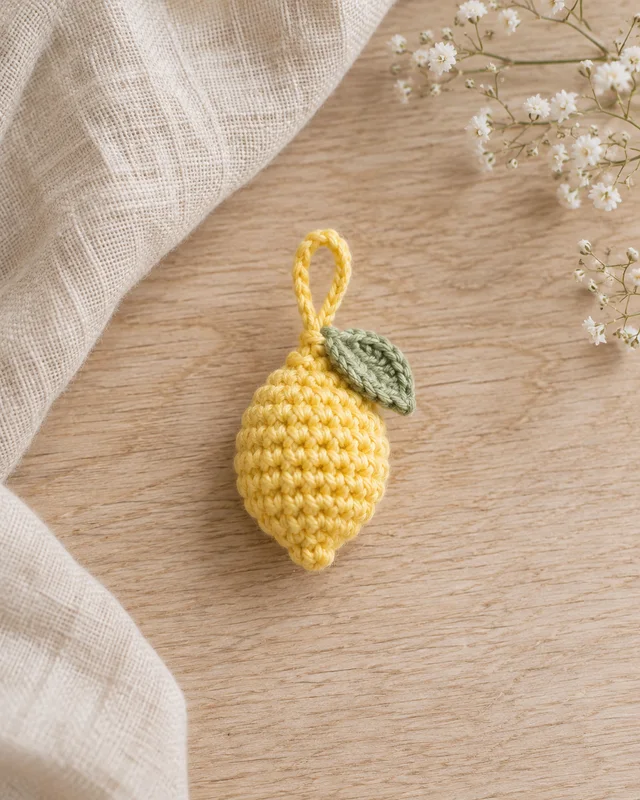
A lemon offers a clear oval form with gently tapered ends. One leaf provides enough contrast without turning the top into a cluster of loose parts. The loop should be supported by the body rather than relying on the leaf. If the charm will sit beside frequently used keys, consider how the pointed ends and yarn surface may rub during ordinary handling.
15. Tiny cactus pot

A miniature cactus and pot create a distinct stacked silhouette. Keep both sections light and joined securely so the lower pot does not pull away from the plant. Embroidered ridges can suggest the surface without separate spines or beads. The top loop needs a route through a supported section, and the joined base should remain neat when the accessory swings.
16. Mini doughnut charm
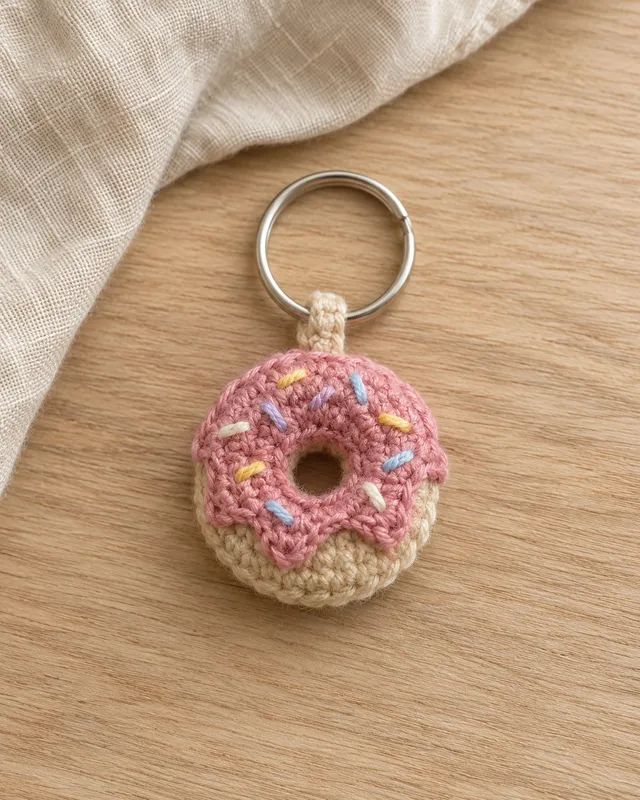
A doughnut is defined by its central opening, so a complete ring-shaped pattern is more useful than adapting a plain ball. Crochet icing and stitched sprinkles add color without hard toppings. Keep the hole clear of the attachment system. The inner and outer seams both need tidy finishing because they remain visible from several angles on a moving charm.
17. Small coffee cup charm

A tiny cup needs a stable connection between the body and its small handle. The handle is a visual detail and should not automatically become the keychain attachment. A flat brown top suggests the drink without beads or loose filling. Check that the body hangs upright and that the narrow handle does not catch easily against the bag’s straps or zipper.
Simple outlines and craft references
18. Cloud-shaped charm
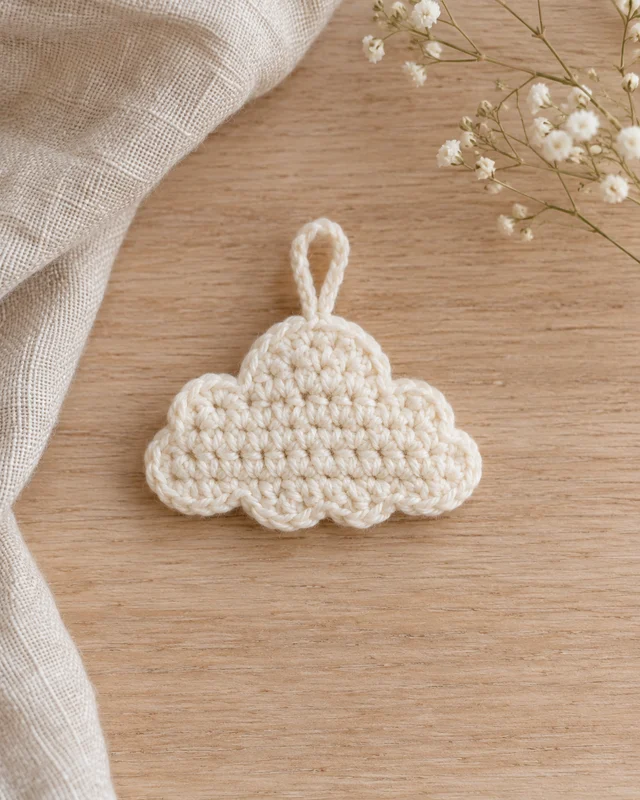
A flat cloud can remain light and sit close to the bag surface. Its scalloped outline needs enough definition that the shape does not read as an ordinary oval. Two matching panels introduce a visible perimeter seam, while a one-piece construction asks for different shaping. Choose one complete method and keep the top loop from flattening the central scallop.
19. Padded star charm
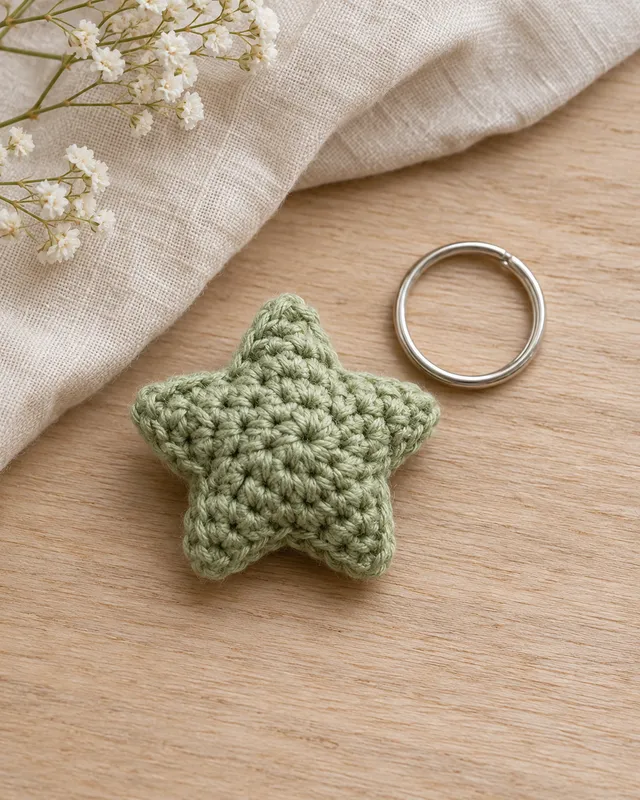
A padded star brings a geometric silhouette among the animal and food charms. Even points depend on consistent shaping and a balanced join between the two faces. Do not rely on stuffing to correct uneven stitch counts. Place the hanging loop where the selected pattern supports it, and inspect the point connections without pulling hard enough to distort the fabric.
20. Heart-shaped charm
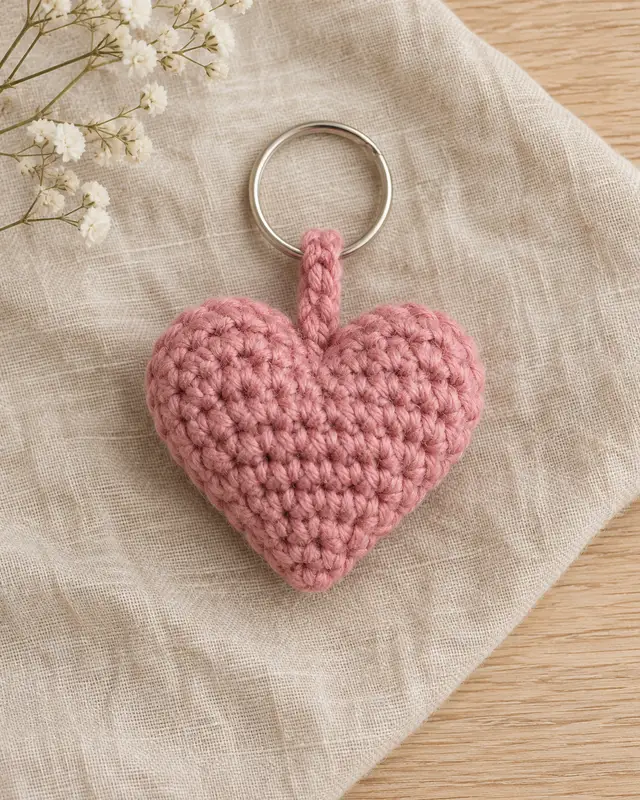
A heart makes its identity through the two upper lobes and tapered lower point. The attachment should preserve the central notch rather than filling it with a bulky loop. A small padded version can show both faces clearly while moving. Keep the closing seam consistent and secure the ends internally as the pattern directs before the final opening becomes inaccessible.
21. Mini book charm
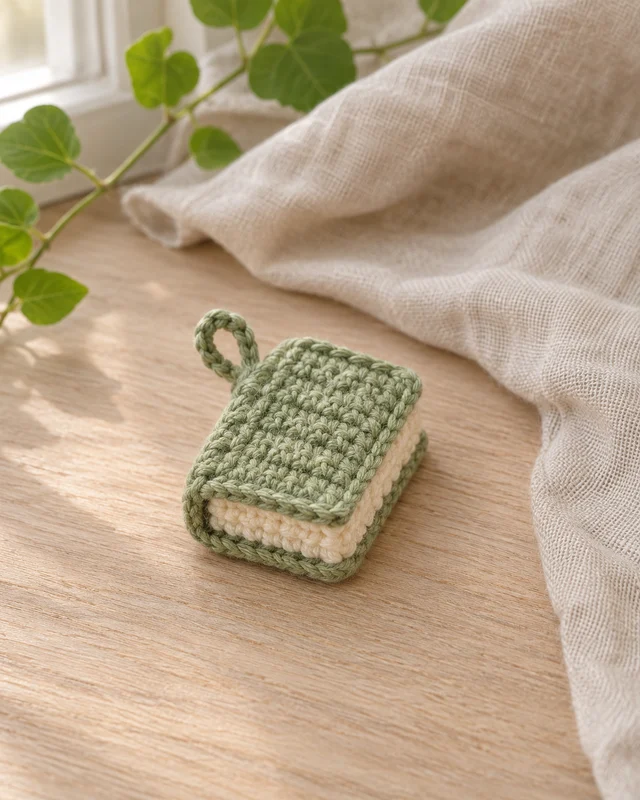
A book-shaped charm creates a compact rectangle with a contrasting page edge. The corners and thickness determine whether it reads as a book rather than a plain block. Keep the cover decoration simple at this scale and avoid invented lettering. A loop placed near the spine can become part of the visual idea, provided the actual connection is structurally supported.
22. Small yarn-ball charm

A small sphere with yarn-like surface lines refers directly to crochet without adding a miniature hook. Secure those lines so they do not become loose wraps as the charm moves. The hanging loop should connect to the underlying construction rather than one decorative strand. Compare the finished surface from several angles before attaching the ring, since the sphere exposes all sides.
23. Tiny fish charm
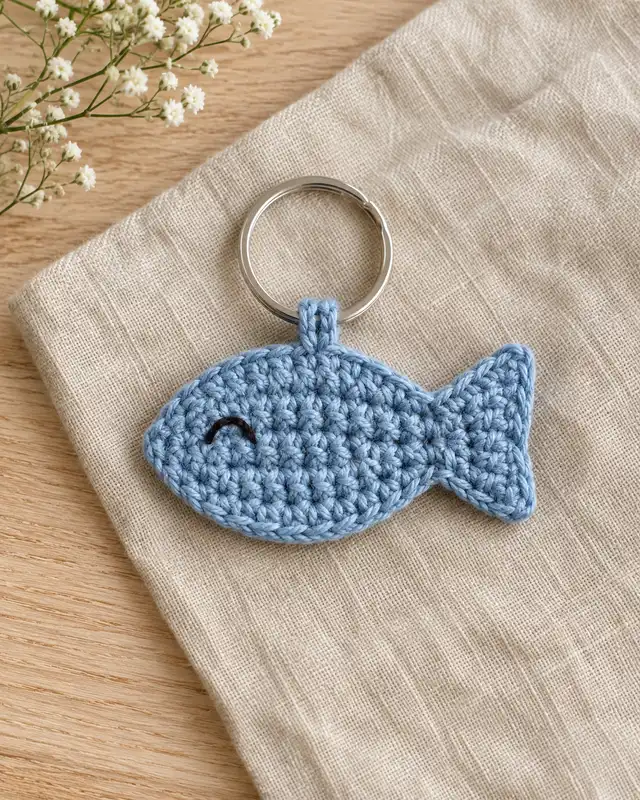
A flat fish uses a distinct tail and one stitched eye to stay readable at small scale. Keep the tail broad enough to hold its shape without stiff inserts. The attachment position determines whether the fish hangs horizontally or nose-up, so choose that deliberately. A neat perimeter join matters as much as the front because the reverse will frequently turn toward view.
A hanging sample reveals what the tabletop hides
Attach the finished charm using the pattern’s supported loop and compatible hardware. Turn it gently to inspect the back, seam and underside, then check whether the face remains visible in the intended hanging position. Keep the loop short enough for the design and away from moving zipper parts. Look for loose embroidery, exposed filling and catches at projecting fins, ears or leaves.
Keep the attachment separate from decorative details
A cup handle, fruit leaf or animal ear may identify the object without being suitable to carry it. Use the actual attachment specified by the complete design. Reinspect the loop and ring after ordinary use, and retire or repair worn components before continuing to carry the charm. Keep the complete accessory away from young children.
For the underlying shaping, start with the amigurumi overview and the round-reading guide. The woodland collection compares larger silhouettes when you want more room for the same kinds of features.
- How to Read Amigurumi Rounds and Track Stitch Counts
Read amigurumi rounds with clear repeat arithmetic, first-stitch markers, round records and practical checks for increases, decreases and count errors.
- 13 Farm Animal Crochet Toy Inspirations
Compare 13 farm animal crochet toy inspirations by pose, silhouette, texture and assembly, with guidance on selecting an appropriate complete design.
- 15 Woodland Animal Amigurumi Ideas
Find 15 woodland animal amigurumi ideas distinguished by tails, ears, poses and texture, with practical notes on assembly and choosing a complete design.
- How to Stuff and Shape Crochet Animals Evenly
Learn a practical approach to stuffing and shaping crochet animals: check the fabric, add filling gradually, compare paired parts and inspect the final joins.
- 17 Crochet Cat Plush Ideas for Cat Lovers
Compare 17 crochet cat plush ideas, including loaf cats, sleeping shapes, shelf-sitters and cushions, with useful guidance on faces, patches and assembly.
- 21 Crochet Frog and Turtle Character Ideas
Explore 21 crochet frog and turtle character ideas, from tiny pond frogs to domed-shell turtles, with practical notes on limbs, shells and assembly.
- 19 Crochet Bunny Ideas for Gifts and Decor
Explore 19 crochet bunny ideas, from pocket rabbits to floppy-ear figures and cushions, with practical notes on proportions, shaping and finishing.
- Amigurumi Animal Ideas for Crochet Makers
Explore amigurumi animal ideas by shape and skill. Compare simple bodies, assembly, stuffing and embroidered features before choosing your next crochet animal.
- 25 Cute Crochet Animal Ideas for Beginners
Browse 25 cute crochet animal ideas for beginners and next-step makers. Compare simple bodies, shaping, assembly and embroidered details before choosing a pattern.