In this article
A housewarming gift becomes more useful when it fits the recipient’s space and routine. A compact basket, removable cover or small cloth set can be easier to place than a large decorative object chosen without measurements. Start with what you actually know about the home and keep the gift’s intended job modest and clear.
These fifteen directions compare useful forms rather than supply tested patterns or universal making times. Choose complete constructions for the actual materials and dimensions. Illustrations cannot establish protective performance, exact fit or care compatibility. Make a finished reference sample, keep the yarn information and include practical handling notes when giving the object away. A clear opening and realistic cleaning routine are part of the gift, not details to leave for the recipient to guess.
Choose from the facts you actually know
A known insert, a small available shelf or a preferred cleaning routine gives the gift a useful constraint. If the room dimensions are unknown, choose a modest object with a clear standalone function. The gift planning hub keeps recipient, use and effort in the same decision.
1. Coaster-and-basket pair

A small basket gives a coaster set an obvious place to live between uses. Complete and care for the first mat before repeating the set, then fit the basket to the finished stack. Include realistic material and cleaning notes with the gift. The coordinated appearance should not imply heat protection or compatibility with every table finish without evaluating the actual construction.
2. Plain dishcloth bundle

Plain cloths can be useful when their materials and care match the recipient’s routine. Keep the stitches and edges consistent, and compare the finished samples after compatible washing and drying. A broad removable band can present them without unnecessary packaging. Avoid promising a particular absorbency or lifetime from the fiber name alone; pass along the real yarn and care information.
3. Small entry catchall

A compact catchall suits a recipient who has a clear place for a few small items. Choose a modest footprint that leaves the console usable. The basket needs its own stable base and complete construction. Present it empty so its function is not confused with a carrying capacity, and include care guidance appropriate to the actual finished material.
4. Removable cushion cover

A removable cover can be a considerate gift when you know the insert size and the room’s practical needs. Keep the closure easy to use and the fabric appropriate for ordinary handling. Confirm dimensions before making the full front. A decorative cushion should not arrive with an invented promise of universal fit, so share the completed cover’s actual measurements with the recipient.
5. Short table runner

A short runner can add handmade detail without asking the recipient to reorganize a whole table. Choose the length from a known useful surface and keep the finish flat. The color bands should remain compatible in care. Explain its decorative role and material limits, with hot dishes and candles using appropriate independent supports rather than relying on the crochet.
6. Mini flower vase display

A compact vase arrangement can make a complete small gift without requiring the recipient to assemble stems. Use suitable complete flower constructions and keep all internal supports enclosed. Check the container’s stability with the finished heads. Include a clear handling and care note, treating the arrangement as adult decor rather than an object whose soft surface makes every component accessible or washable.
7. Dry-counter towel basket

A small basket and two cloths can work as a coordinated dry-counter set. Their materials need compatible care and the basket should remain clear of persistent splashing. Fit the opening to the actual rolled cloths rather than estimating from loose yarn. The gift is useful when it suits the recipient’s storage space and routine, not merely because the colors match.
Care information is part of the presentation
Keep the actual yarn label and instructions for any backing, closure or support. Explain how the complete object is used and which parts can be removed. Avoid assigning protective or skin-care benefits that the construction has not established. A restrained presentation can make the useful handmade object easier to understand.
8. Book sleeve gift

A book sleeve is easier to make useful when you know the intended book dimensions. Keep the opening and any closure compatible with ordinary removal. The crochet is a decorative cover rather than protective packaging with a guaranteed rating. Share its actual finished measurements, and avoid fastening the handmade sleeve directly to a book’s original cover or binding.
9. Plant-pot cover with tray

An empty pot cover and separate tray let the recipient choose a suitable plant later. Fit the sleeve to the actual container and keep yarn clear of the tray’s wet interior. The pot and tray need to provide their own appropriate drainage and containment. Include removal and care instructions rather than presenting the textile as a waterproof or load-bearing component.
10. Matching mug mats

A pair of matching oval mats can frame a simple cool mug setting without a large textile commitment. Complete the first reference mat before repeating it and check flatness after compatible care. The actual mugs are separate objects, and the yarn surface should not be described as guaranteed heat protection. Keep the intended use and material information clear when gifting.
11. Small wall panel
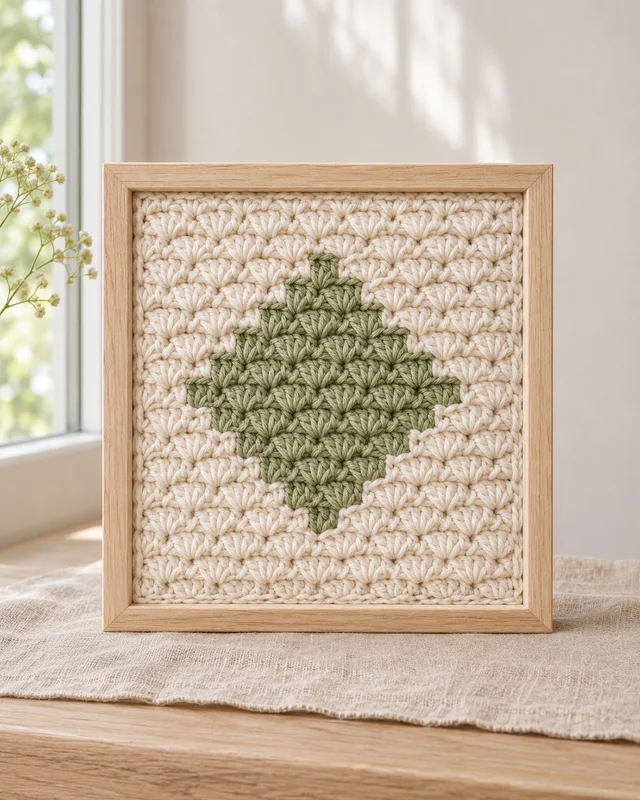
A small framed texture panel offers a finished decorative object with a limited footprint. Choose a calm motif that suits the recipient’s space and mount it without crushing the raised fabric. The frame needs an appropriate supported display method. Include any placement and care limits of the complete combination rather than assuming the yarn’s usual washing instructions apply to the mounted piece.
12. Cable organizer pouch
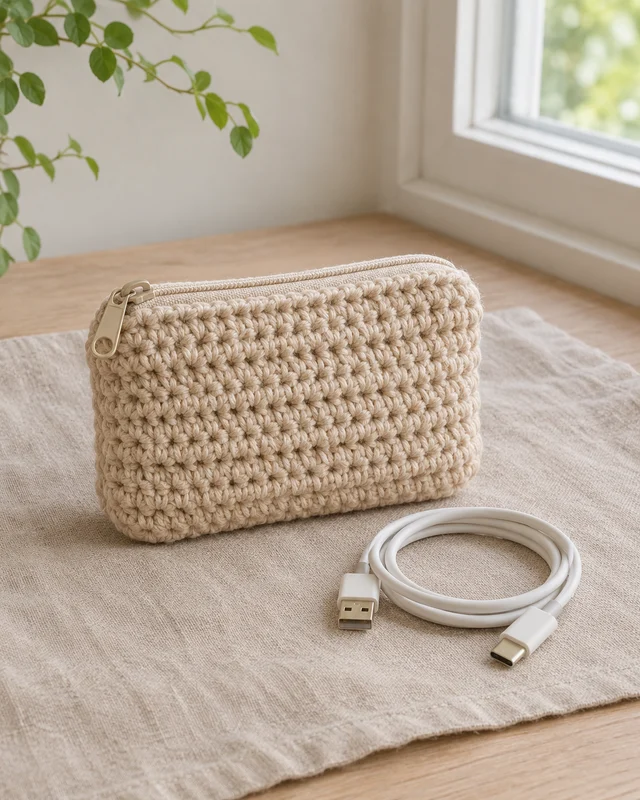
A small organizer pouch can help with unpowered cords when its opening and compartments fit the actual items. Keep the zipper clear of loose loops and make the interior accessible. It is an organizer rather than a guarantee of protection for electronics. The recipient should receive the finished dimensions and care information so the intended use remains practical.
13. Reusable gift bag

A reusable bag can become part of the gift after its first opening. Keep the closure easy to understand and choose a complete construction suited to modest contents. A short broad tie avoids unnecessary dangling length but does not establish carrying strength. Present the empty bag’s actual size and material care instead of implying that every attractive crochet pouch can replace protective packaging.
14. Napkin-band set
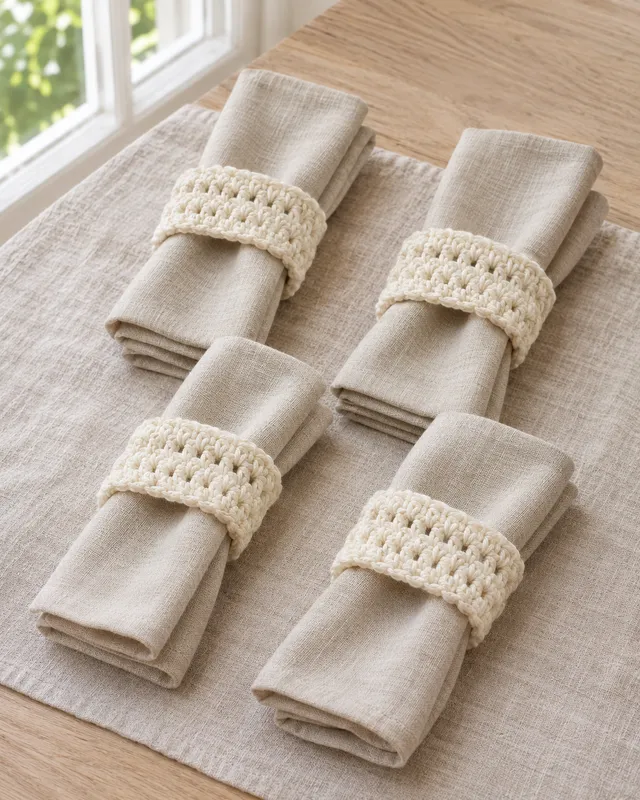
A set of simple bands can coordinate existing linen napkins without choosing a whole table palette. Fit them to the actual folded cloths, leaving enough room for removal without stretching. The band ends and joins should remain neat. Share compatible care for the yarn, and keep the decorative function separate from direct food contact or heat protection.
15. Decorative storage lid band
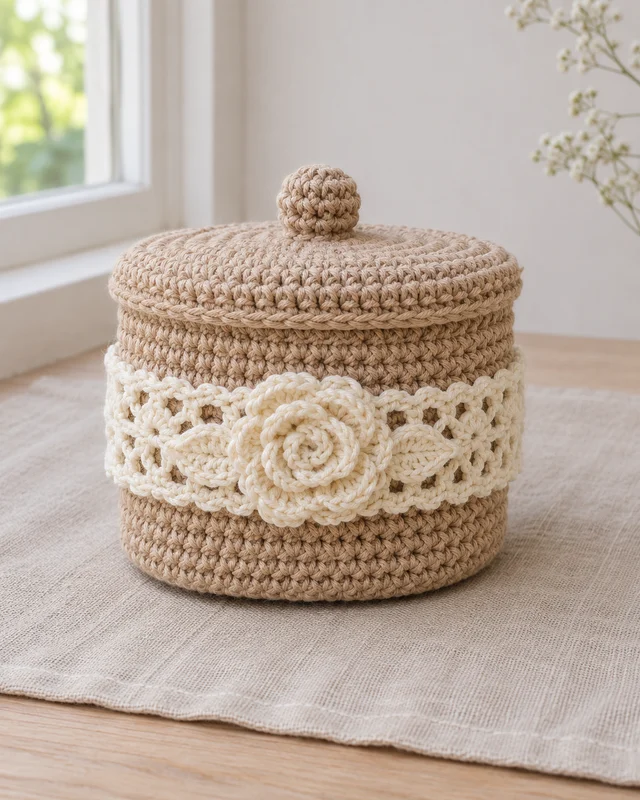
A removable band can give a plain storage basket a handmade accent while letting the recipient keep the original container. Fit it without obstructing the lid, grip or closure. The flower and band need secure finishing and a clear removal method. This works best when the actual basket is known, since a decorative strip is not a universal fit system.
Give the recipient a complete object and a usable record
Check its opening, attachment and finished dimensions before wrapping. Include compatible care and any relevant decorative-use limits. The home-textile care guide helps write that record. The gift-time planning guide is another route within the plan, and the home project hub connects the gift with its everyday destination.
- 17 Crochet Keychain and Bag Charm Ideas
Find 17 crochet keychain and bag-charm ideas through flat geometry, miniature objects and supported loops, with practical finishing notes for adult accessories.
- How to Estimate Crochet Project Time Before Gifting
Estimate crochet gift time from an ordinary sample, named assembly tasks and real calendar sessions, with clear example arithmetic and no fixed promises.
- 27 Scrap-Yarn Crochet Gift Ideas
Explore 27 scrap-yarn crochet gift ideas, with practical ways to sort remnants, reserve finishing yarn and choose a useful small project.
- How to Choose the Right Crochet Gift for a Recipient
Choose a crochet gift from the recipient’s actual use, dimensions, care and available time, then finish a useful sample and handover record.
- 19 Practical Crochet Gift Ideas for Men
Explore 19 crochet gift ideas for men, including fitted accessories, book sleeves and desk organizers, chosen around real habits rather than stereotypes.
- 23 Small Crochet Gifts for Coworkers and Teachers
Compare 23 small crochet gifts for coworkers and teachers, with useful desk and reading ideas plus practical notes on batch making, care and gift policies.
- 21 Cute Crochet Gifts for Friends
Find 21 crochet gift ideas for friends, from reading accessories to project bags and cushions, with thoughtful ways to match a gift to real preferences.
- 25 Small Crochet Gift Ideas for a Creative Weekend
Browse 25 small crochet gift ideas for a creative weekend, with practical notes on fit, materials, finishing and choosing a project for your available time.
- Crochet Gift Ideas by Recipient, Budget and Time
Plan a crochet gift around the recipient, full materials budget and time available. Compare useful projects, fitting needs, finishing and care before choosing.