In this article
A practical crochet gift starts with the person, not a rule about what men should like. A bright coaster set may suit one recipient, while another would use a plain book sleeve or a carefully fitted beanie. Look at the objects, hobbies and routines that are already part of his day before deciding on color and texture.
These nineteen ideas compare carrying, reading, desk and wearable accessories. Choose a complete pattern and check its dimensions, materials and finishing against the intended use. The gallery helps you choose a direction rather than promising an exact pattern for every picture. A useful handmade item can be modest in size; the most valuable detail is often a comfortable fit, an accessible opening or a care routine the recipient will follow.
Begin with the object or routine he already has
Ask what the gift needs to hold or fit. A cable pouch for one adapter is a different object from a travel organizer for several chargers. A beanie worn under a hood may need different proportions from a relaxed everyday hat. Those concrete decisions make the project more useful than a color label.
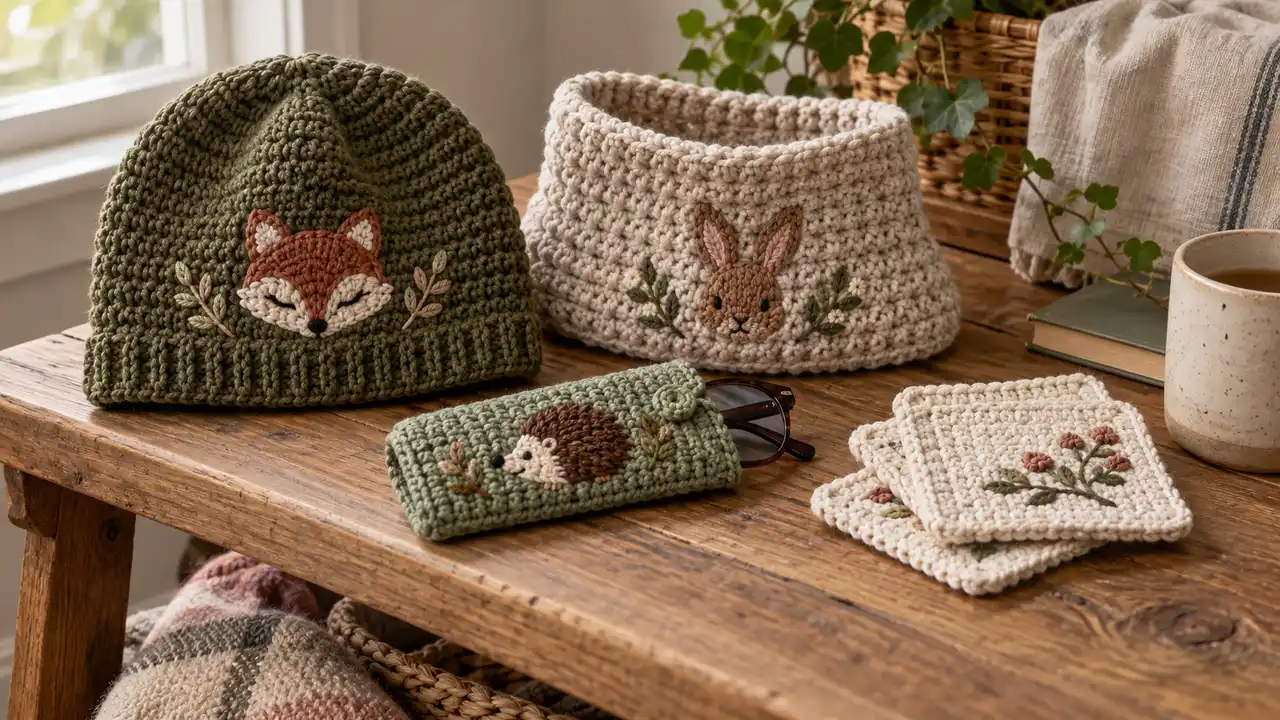
1. Dense everyday beanie
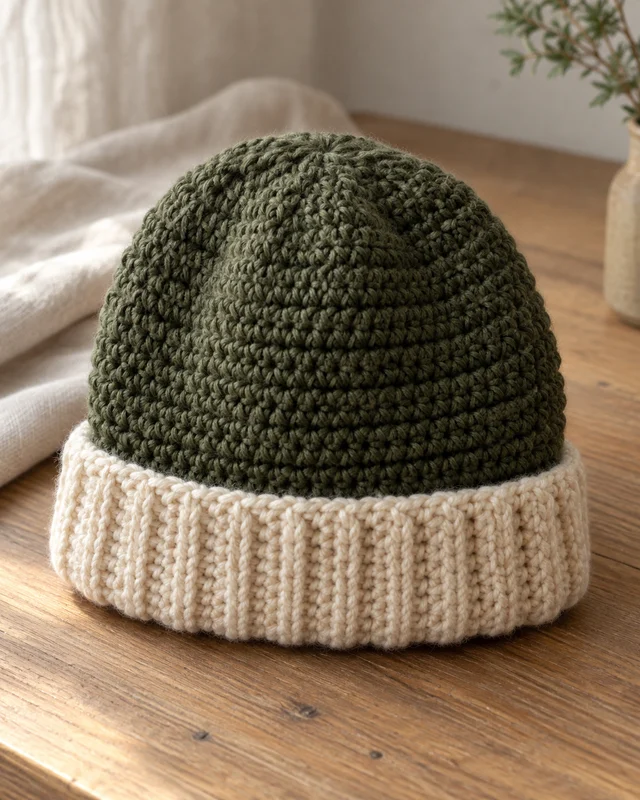
A plain beanie makes fit and fabric the priority rather than relying on a stereotype about color or style. Use the recipient’s measurements and a pattern with a clear sizing method. Check the brim stretch after finishing and sample the yarn against the skin. A familiar stitch may keep the making straightforward, but crown shaping and the final circumference still need to follow the instructions.
2. Short commuter cowl
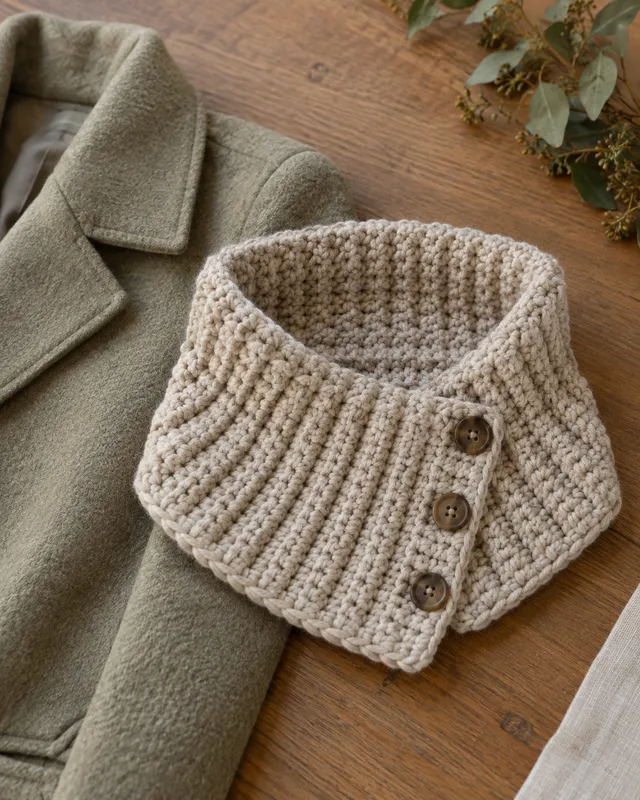
A short cowl can suit someone who dislikes long scarf ends or wants a compact layer for a commute. Ask about preferred height and opening size before choosing a pattern. The fabric needs to feel comfortable at the neck and work with the recipient’s coat. A restrained texture can be the detail; there is no need to make the gift oversized to make it feel substantial.
3. Glasses desk sleeve
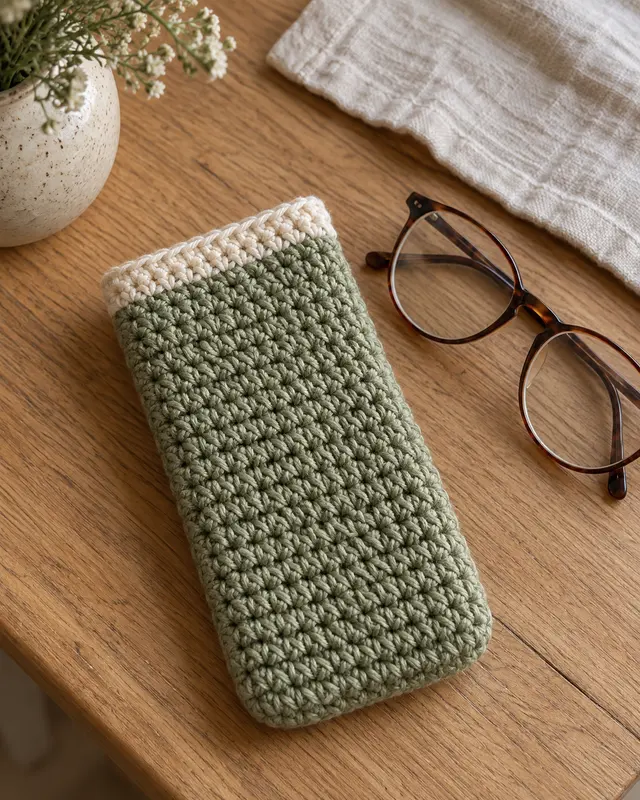
A glasses sleeve is useful only if it fits the actual frames and the way they are carried. Measure them folded, account for a lining if used and test the opening before finishing the edge. Keep the inside free of rough knots. A crochet sleeve organizes glasses in a desk drawer or bag but does not replace a rigid case where crushing protection is needed.
4. Two-panel book sleeve
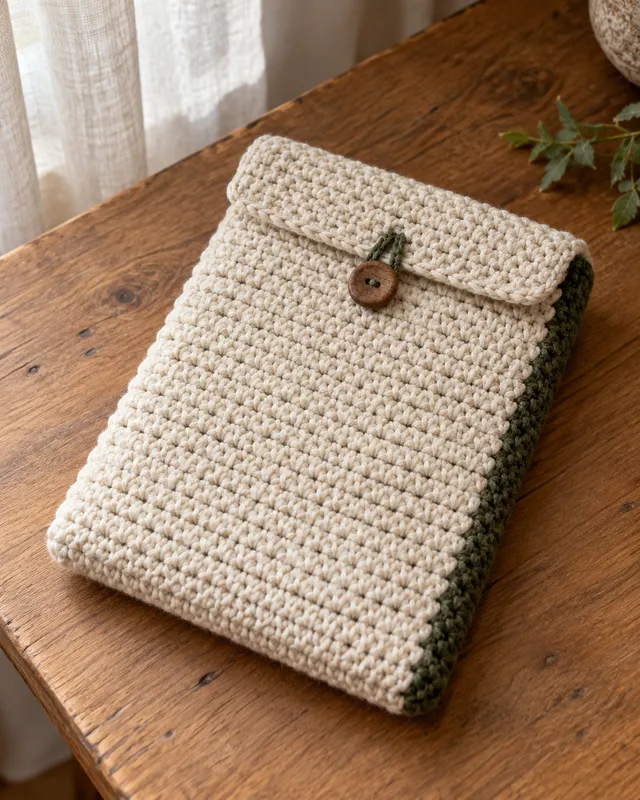
A two-panel book sleeve can be planned around a favorite paperback size or a specific notebook. Measure the spine as well as the cover and allow for the joining seam. A contrast side edge gives a plain design a deliberate finish without adding bulk to the front. Keep the opening easy to use, and avoid promising water or impact protection from a soft textile cover.
5. Cable organizer pouch
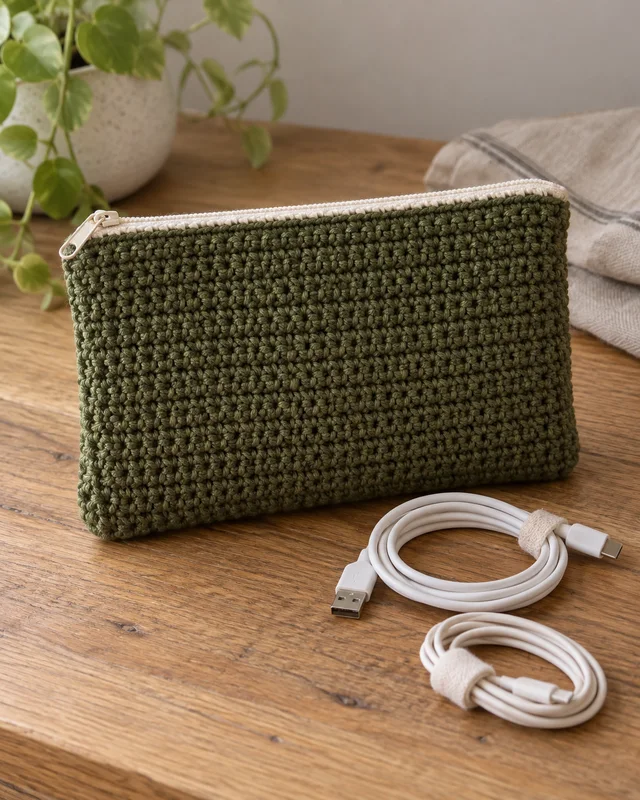
A cable pouch works best when its opening and depth suit the recipient’s actual adapters and leads. Ask what needs to fit rather than filling it with unrequested electronics. A lining can keep small plugs from catching on the stitches. Include space for the zip seam and test the finished pouch with unplugged contents; the gift is for storage, not for enclosing equipment while it operates.
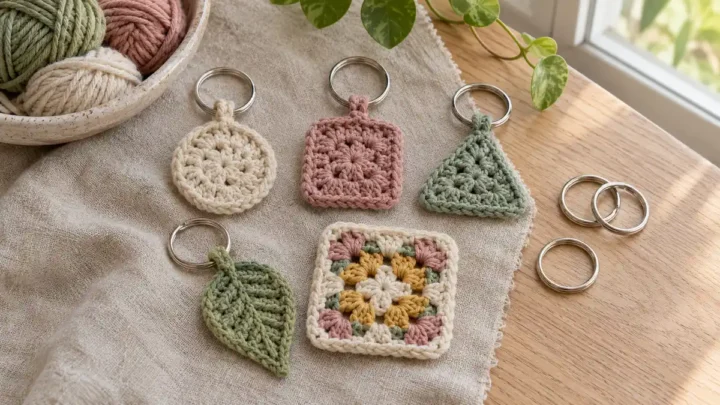
6. Split-ring key strap
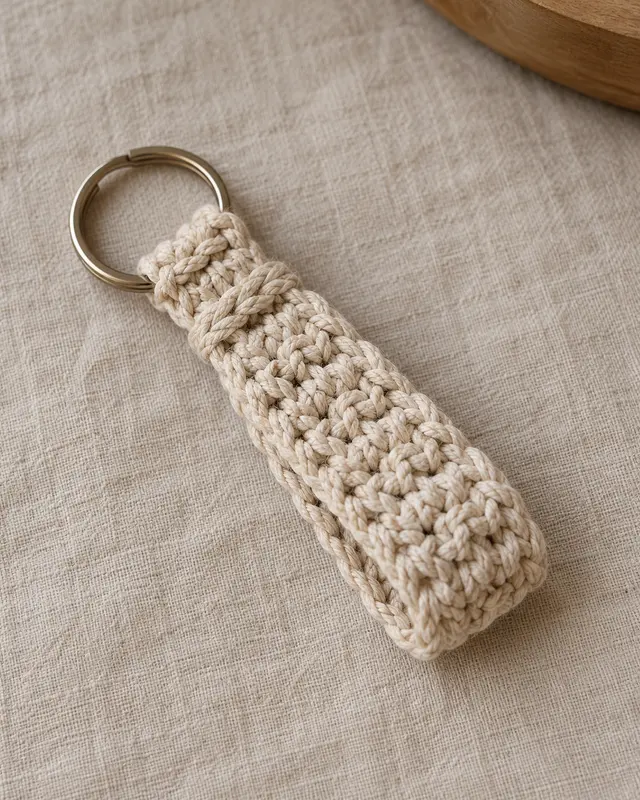
A short split-ring strap can make keys easier to find in a pocket or bag. Match the width to the ring and use a pattern that explains the folded attachment. Inspect the join with the actual keys before giving it. Color can be chosen from the recipient’s preferences rather than an assumed masculine palette, and the strap should not be described as a security or load-bearing device.
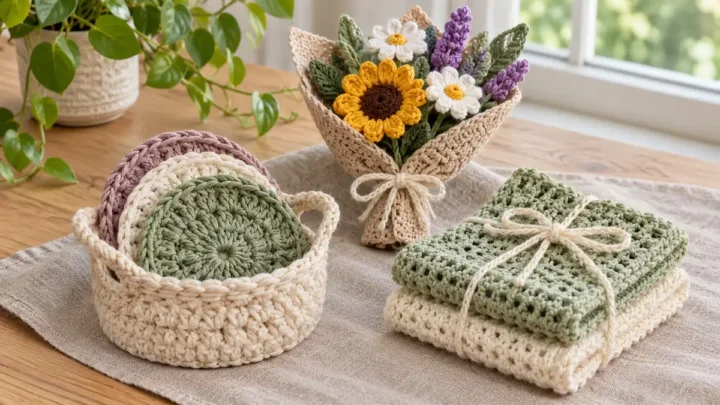
7. Square desk coaster set
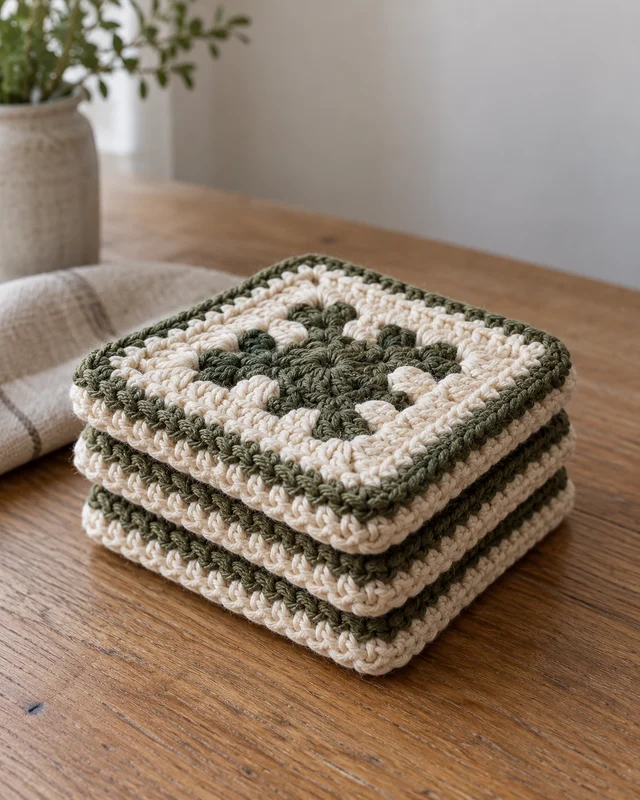
A square coaster set suits a desk or side table where a clean outline is more useful than decorative fringe. Check the corners and keep the finished surface flat after care. Make one complete coaster to judge its usable size under the recipient’s cup. A small repeated set gives you a realistic way to estimate time and yarn without guessing from the dimensions alone.
8. Watch-and-wallet catchall
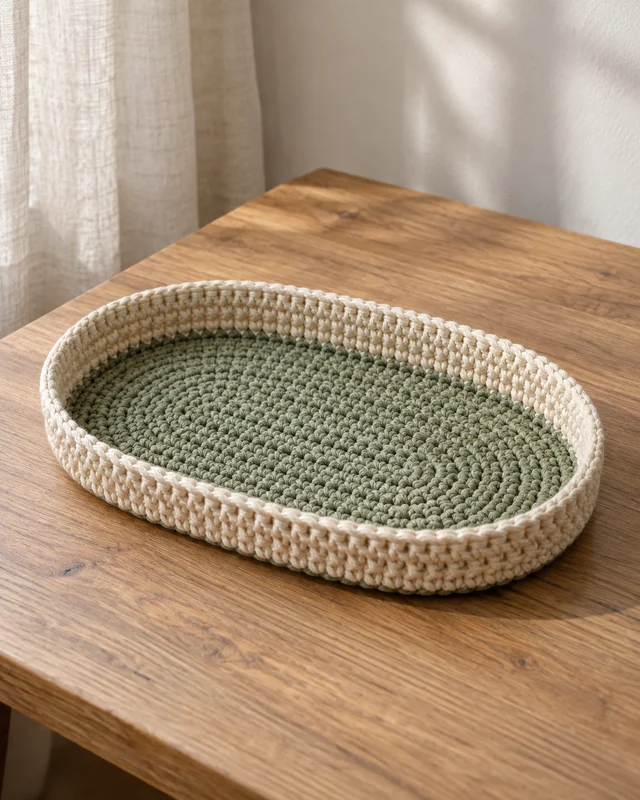
An oval catchall offers a defined place for a wallet, watch or keys without needing an exact clothing size. Measure the largest intended object and keep the walls low enough for easy access. The base should lie flat before you build height. If the recipient uses a watch charging stand, check its arrangement separately; a textile tray should not interfere with ventilation or charging instructions.
9. Reusable cup sleeve
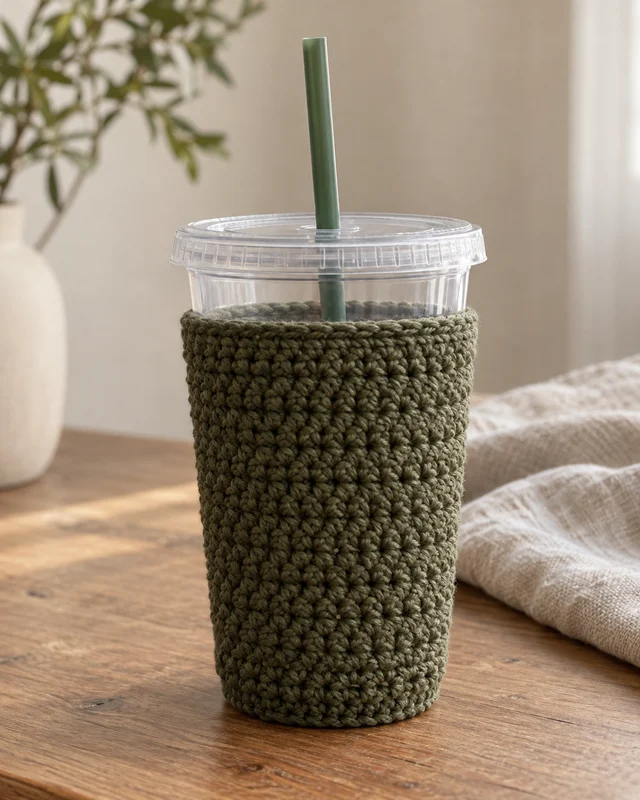
A reusable cup sleeve is a fitting project, so start with a particular cup the recipient already uses. Measure its taper and check that the sleeve stays below the lid and drinking edge. Follow a compatible pattern’s stretch guidance. Its purpose is a decorative grip surface; it is not a tested insulating barrier or a reason to handle a hot container without the manufacturer’s precautions.
10. Pencil roll for sketching
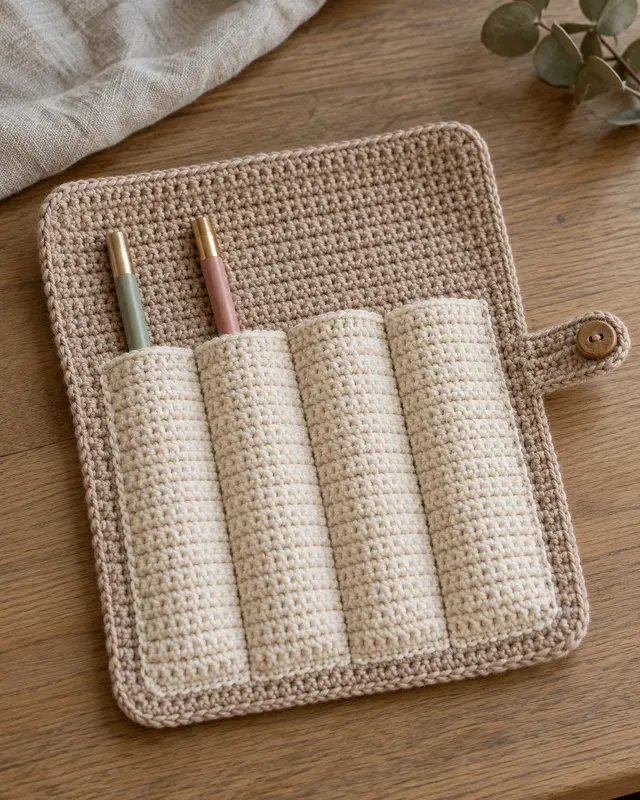
A pencil roll can be useful for sketching when the pockets fit the actual pencils and their protective caps. Plan the pocket widths before closing the outer panel, then test how the roll folds with the tools inside. Keep the tie easy to open without compressing the contents. A neat flat organizer may become bulky when filled, so check the working version before deciding its final dimensions.
11. Tablet slip cover
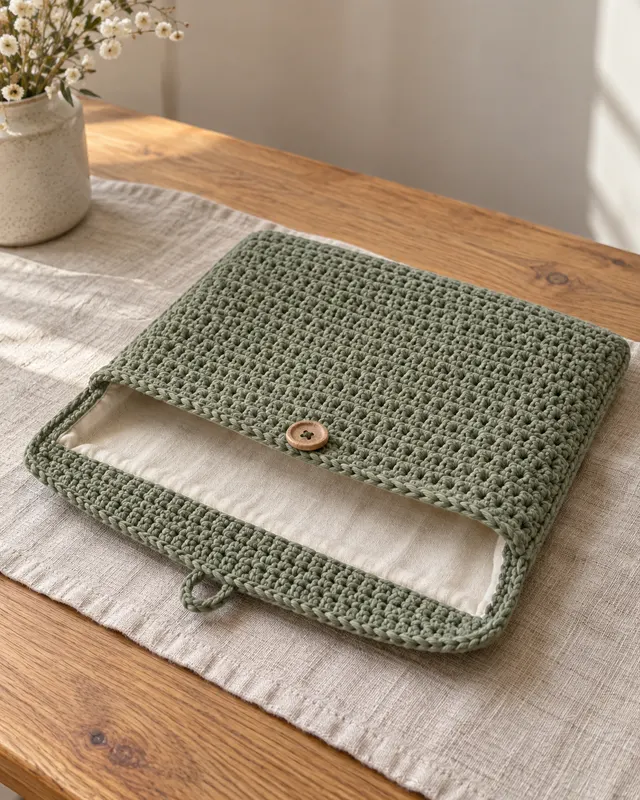
A tablet sleeve needs dimensions from the device in its usual case, plus room for lining and seams. Choose a pattern intended for a flat fitted cover and check the opening before finishing. The crochet can make the device easy to identify in a bag, but it does not provide tested drop protection. Use an appropriate protective case separately where the recipient needs it.
12. Board-game token pouch
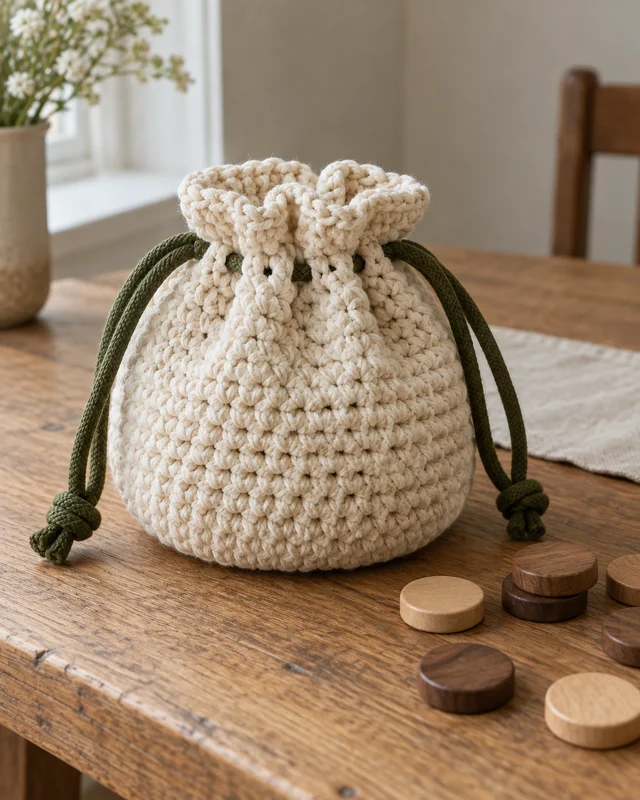
A drawstring token pouch can be tailored to a board game or hobby you know the recipient enjoys. Measure a realistic group of pieces rather than one token and check the closure against the smallest contents. A lining may be necessary for open stitches. Keep the drawcord construction appropriate to the intended user, and avoid making a generic tiny bag that cannot actually hold the required set.
13. Unlined project tote
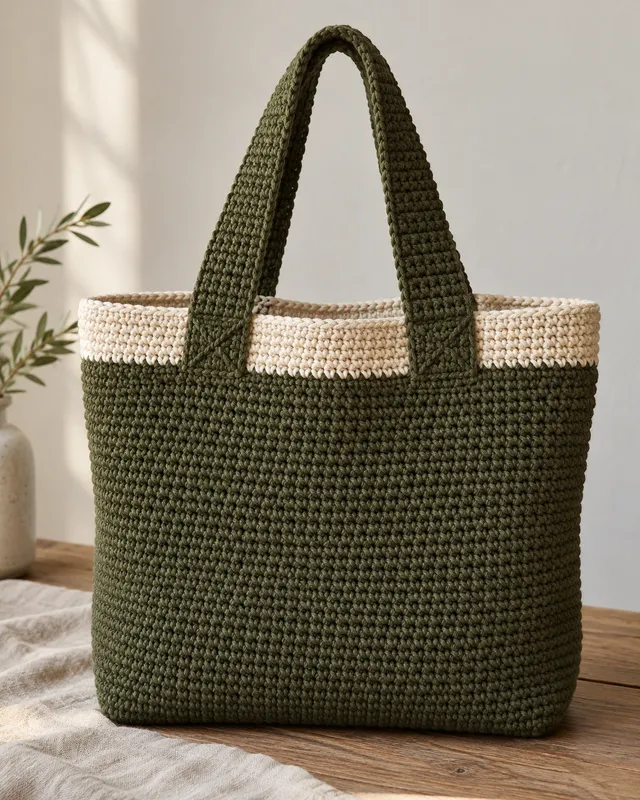
A plain project tote can carry a modest hobby project if its opening, base and handles are planned around the contents. Measure the largest item and read the handle construction before starting the panels. A reinforced-looking upper band does not establish a load rating. Keep sharp tools appropriately cased, and inspect the completed joins with a light intended load before making it a regular everyday bag.
14. Soft scarf without fringe
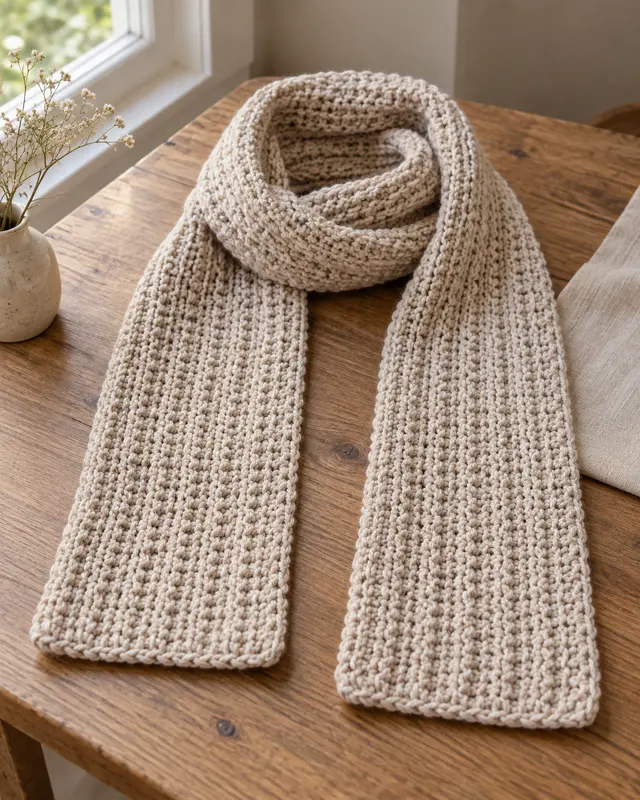
A fringe-free scarf gives the recipient a clean finish and avoids long decorative ends if those are not their preference. Choose the length and width from an actual use case rather than a general style label. Sample the stitch for drape and feel, then use the pattern’s yardage. A simple repeat can still take substantial time when extended across a full scarf.
15. Shoe travel divider pouch
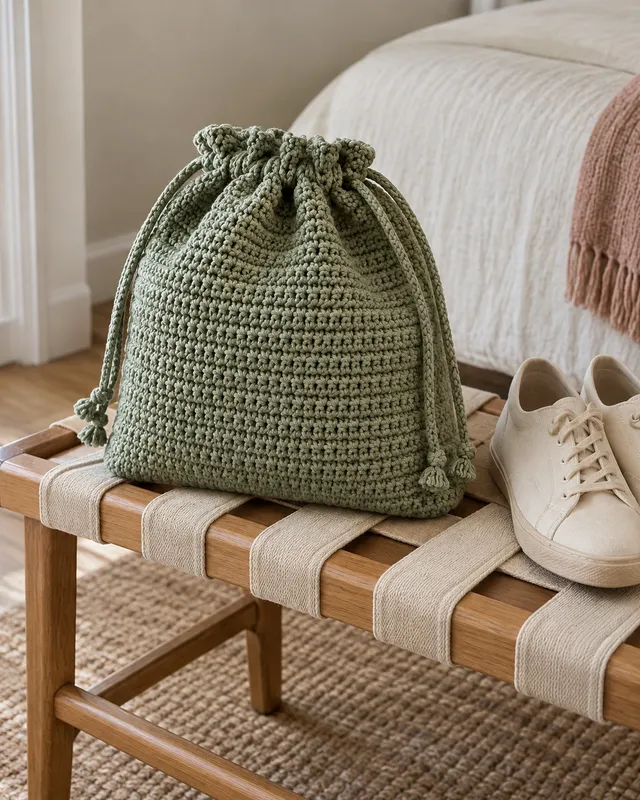
A travel pouch can separate shoes from other belongings when sized around the actual pair. Check that the opening fits both shoes without forcing the fabric, and consider whether a washable lining suits the pattern. The crochet is an outer organizer, not waterproof or odor-proof containment. Let the recipient’s packing routine determine the size and closure instead of assuming a small drawstring bag is enough.
16. Reusable lunch outer bag
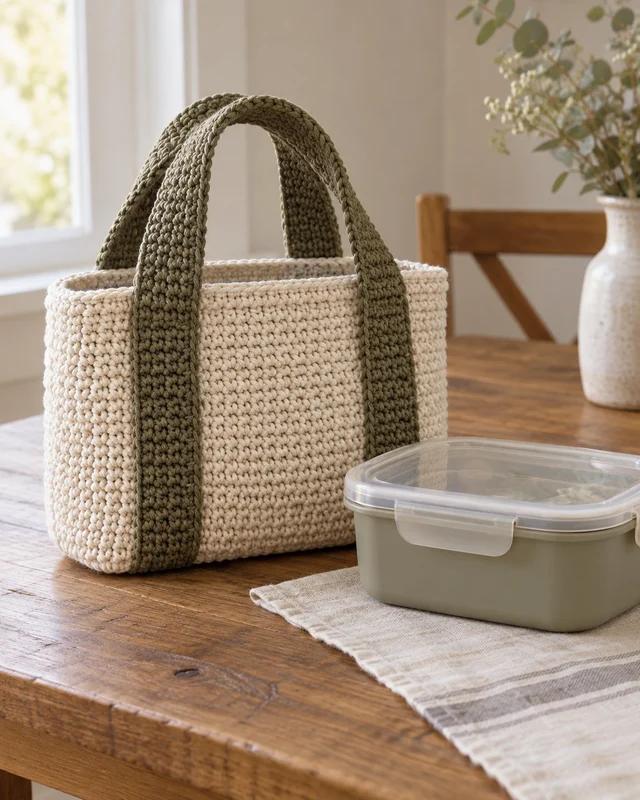
A lunch outer bag can personalize the way a closed food container is carried. Measure the container with its lid attached and include room for the base seams. Use the proper food-safe container as the inner layer. Crochet does not establish insulation, leak resistance or safe food-holding time, so the recipient’s normal food storage and temperature practices still need to remain in place.
17. Desk bottle coaster
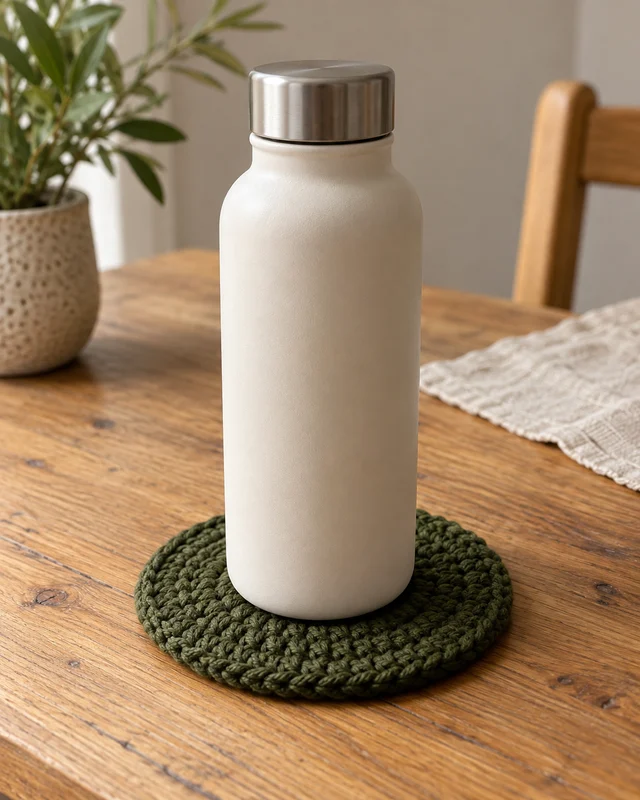
A larger bottle coaster gives a reusable water bottle a defined spot on a desk. Check its diameter against the bottle’s actual base and keep the finished fabric flat. A textured edge can frame the center, but it should not push under the bottle and make it lean. Follow the yarn care instructions and let the coaster dry fully if it becomes damp.
18. Portable book marker band
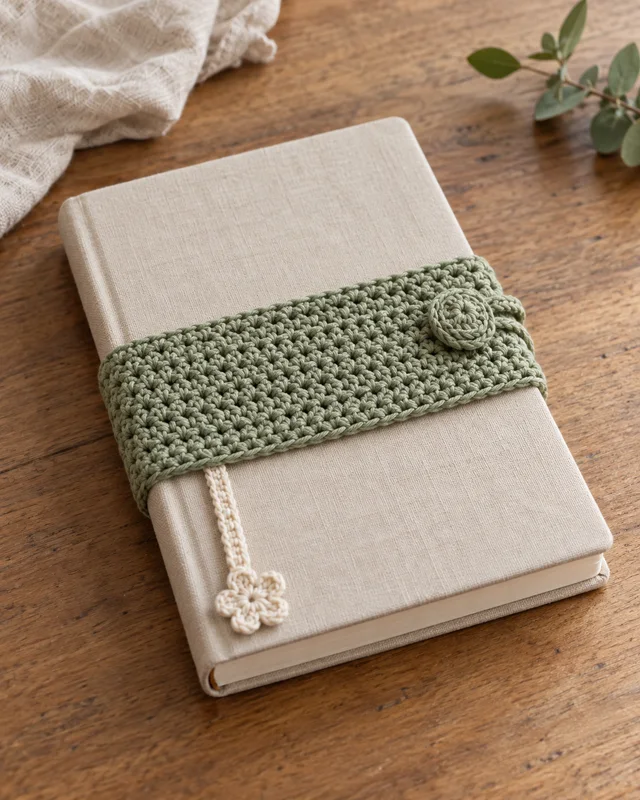
A book band with an attached marker can suit a notebook user who moves between several pages. Measure the notebook and test the band without bending the covers. The marker should remain thin enough for the paper to close comfortably. Keep the design free of long loose loops, and choose a color the recipient will recognize easily among other items in a work bag.
19. Small houseplant pot sleeve
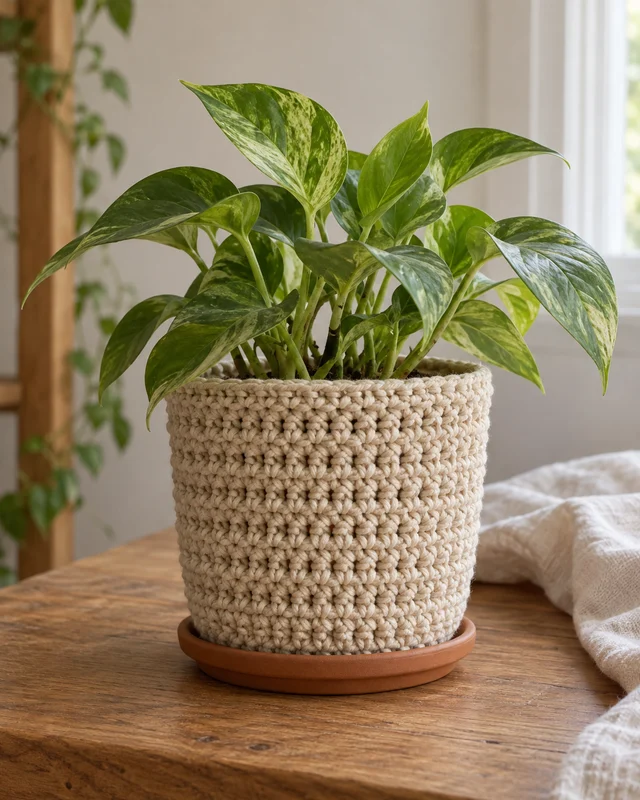
A plant-pot sleeve is useful when the recipient already has a pot whose measurements you can check. Fit the crochet around that intact container and leave drainage and the separate saucer working normally. Choose a removable design so watering and cleaning remain straightforward. The sleeve adds texture to a desk or shelf; it should not be expected to hold wet soil or make a leaking pot watertight.
A fit audit before you close the seams
| Gift type | Measure the complete object | Check before finishing |
|---|---|---|
| Device or glasses sleeve | Device in its case, or folded frames | Opening and usable inside width |
| Book cover or marker band | Cover, spine and normal contents | Seam allowance and comfortable closure |
| Wearable accessory | Reliable recipient measurements | Supported size, stretch and feel |
Measure a device with its normal case, a book including its spine and a cup at the point where the sleeve will sit. Test before closing inaccessible seams. If the gift is a surprise, choose a pattern with reliable supported sizing or ask for the measurement without promising an exact fit from a photograph.
Keep an organizer separate from protective equipment
Check whether a soft textile is appropriate for the job. Use existing protective cases and food-safe containers where required, and treat the crochet as an outer organizer or cover. Keep sharp tools safely cased. Choose the yarn and closure for the actual care and handling the recipient expects.
Use a restrained finish if that matches the recipient, but do not let simplicity hide unfinished joins. Inspect handle and strap attachments, smooth the inside of sleeves and include care information. Function comes from those details as much as from the main stitch.
Shortlist one daily routine and measure what the gift needs to fit. Use the recipient and budget planner to compare the full project cost. For different ways to make the gift personal, browse the friend-gift collection without limiting the palette or motif by category.
- 17 Crochet Keychain and Bag Charm Ideas
Find 17 crochet keychain and bag-charm ideas through flat geometry, miniature objects and supported loops, with practical finishing notes for adult accessories.
- 15 Crochet Gifts for Housewarming Parties
Compare 15 crochet housewarming gift ideas by real space, useful fit, cleaning and presentation, with notes on complete constructions and care records.
- How to Estimate Crochet Project Time Before Gifting
Estimate crochet gift time from an ordinary sample, named assembly tasks and real calendar sessions, with clear example arithmetic and no fixed promises.
- 27 Scrap-Yarn Crochet Gift Ideas
Explore 27 scrap-yarn crochet gift ideas, with practical ways to sort remnants, reserve finishing yarn and choose a useful small project.
- How to Choose the Right Crochet Gift for a Recipient
Choose a crochet gift from the recipient’s actual use, dimensions, care and available time, then finish a useful sample and handover record.
- 23 Small Crochet Gifts for Coworkers and Teachers
Compare 23 small crochet gifts for coworkers and teachers, with useful desk and reading ideas plus practical notes on batch making, care and gift policies.
- 21 Cute Crochet Gifts for Friends
Find 21 crochet gift ideas for friends, from reading accessories to project bags and cushions, with thoughtful ways to match a gift to real preferences.
- 25 Small Crochet Gift Ideas for a Creative Weekend
Browse 25 small crochet gift ideas for a creative weekend, with practical notes on fit, materials, finishing and choosing a project for your available time.
- Crochet Gift Ideas by Recipient, Budget and Time
Plan a crochet gift around the recipient, full materials budget and time available. Compare useful projects, fitting needs, finishing and care before choosing.