In this article
A starter kit is most useful when it names the first task. Practicing a plain cloth, making a granny square and learning Tunisian crochet can need different tools even when all three begin with yarn. Choose the complete project or learning instructions first, then gather the materials that let that specific task reach a useful stopping point.
These fifteen kit ideas are planning directions rather than branded bundles or ready-to-follow patterns. The photographed quantities and unmarked tools do not supply gauge, sizing or a complete shopping list. Read the selected instructions and actual product labels, include finishing requirements and keep the first goal manageable. Add an accessory when its job is clear instead of treating a larger assortment as an automatic improvement.
1. A plain-cloth practice kit

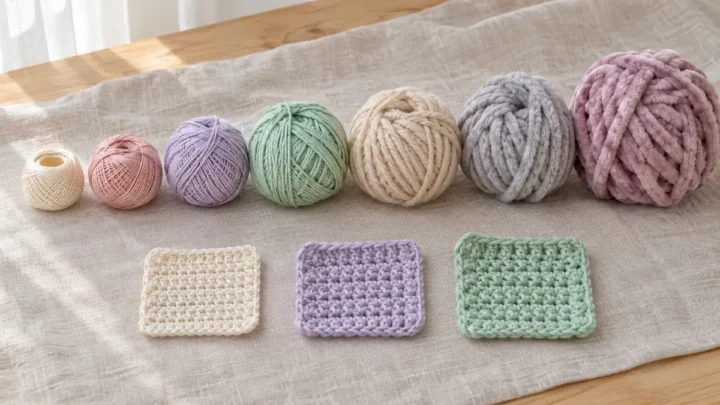
For a plain-cloth goal, begin with the actual cloth pattern’s yarn and hook requirements, then add a marker and suitable finishing needle. A small cotton-looking yarn set keeps the materials easy to identify without proving a particular fiber from the image. Check the complete edge and finishing instructions before buying. The aim is one manageable fabric task with the tools to finish it, rather than a large general assortment.
2. A granny-square kit

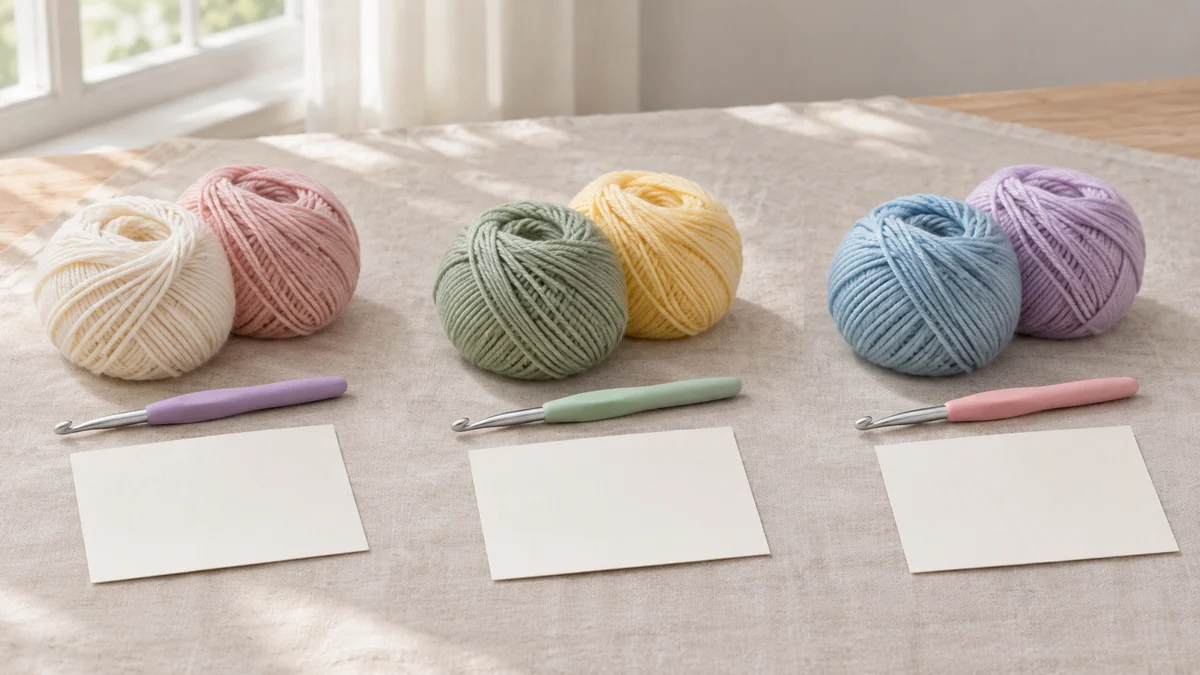
A granny-square kit can focus on a modest color sequence, one suitable hook and markers for useful reference points. Choose the complete square pattern before calculating quantities or deciding how many colors are needed. Include its finishing and joining method if several squares will form an object. Three small balls suggest a restrained palette; their photographed size does not establish enough yarn for a blanket or a matching set.
3. A simple-blanket kit
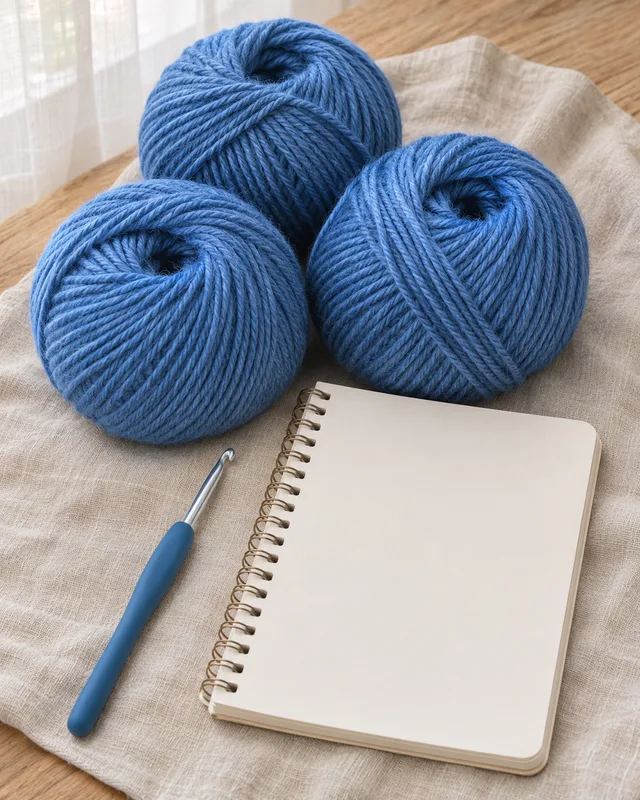
A simple-blanket kit needs the intended blanket dimensions and a complete gauge plan before the yarn quantity is settled. Match the actual product and hook to the selected instructions, and keep a notebook for the sample and material record. Reserve finishing work in the plan rather than purchasing only for the center panel. A few matching balls illustrate coordination without promising they can complete a full-size blanket.
4. A flat-coaster kit
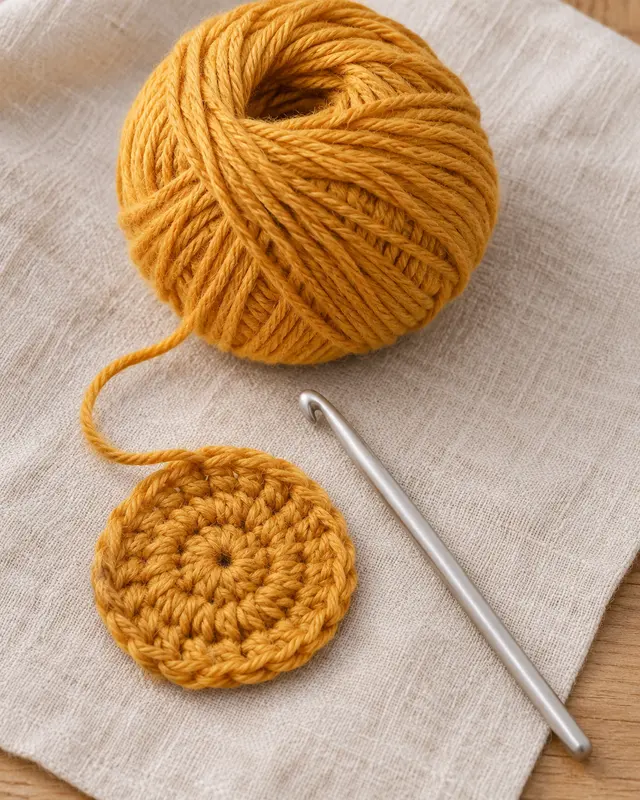
A flat-coaster goal offers a small format for practicing an outline and finished edge. Choose instructions for the intended use and assess the real completed piece on an appropriate surface with suitable cool objects. The sample disk helps define the shape, but supplies no heat-protection or liquid-resistance claim. Include the finishing needle and any required materials from the full pattern rather than assuming yarn and hook are the entire kit.
5. A basket-making kit
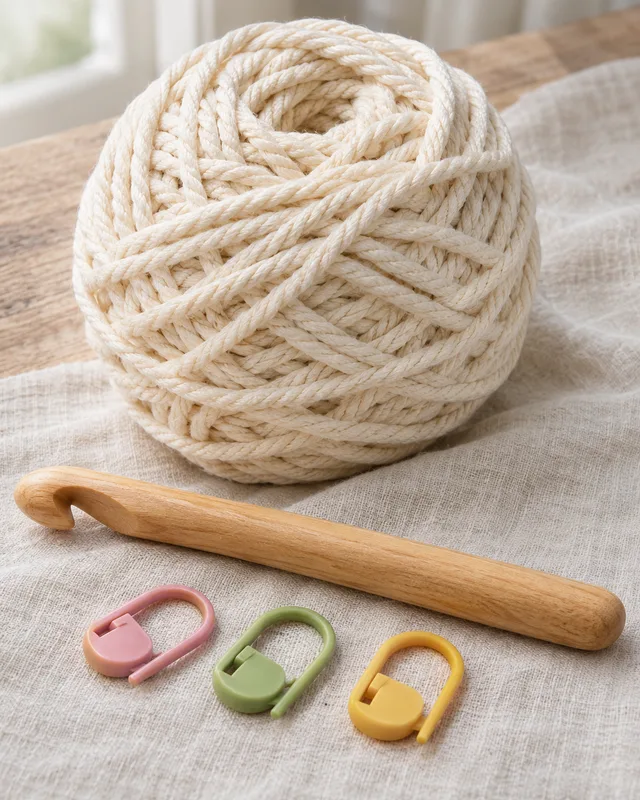
A basket-making kit should follow a complete basket design that suits the actual cord and hook. Check the base, wall and rim as connected construction decisions instead of choosing only a thick-looking yarn. Markers may help preserve the pattern’s reference points. Keep the intended contents and location modest and specific; a large hook or dense sample does not prove that the finished container will support a particular load.
6. A lined-bag kit

A lined-bag kit needs the outer fabric and inner component considered together before the first panel. Choose the actual bag pattern, cord and hook, then add lining, fastening and hardware according to its requirements. The folded cream fabric is a planning cue rather than a measured lining template. Include a representative junction in the sample so the kit is based on the complete bag instead of its visible exterior.
Read the complete requirements before filling the kit
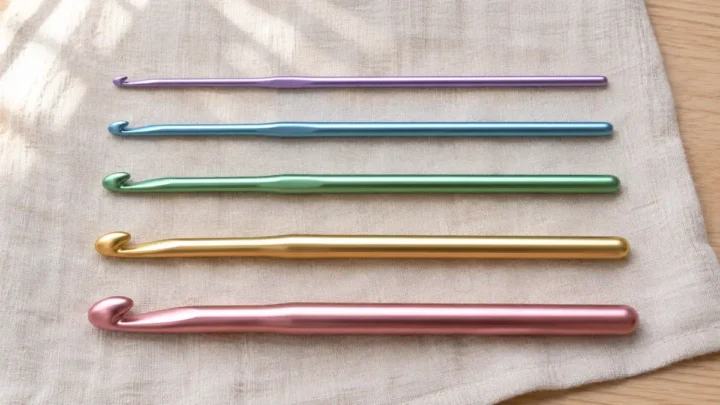
Check the selected pattern or learning instructions for exact yarn, hook, quantities, sample, sizing and finishing needs. Add a lining or specialty tool when the real task requires it. The hook reference helps identify size systems; the yarn guide explains why a category or photographed ball count cannot guarantee the needed fabric or amount.
Use actual fit and purpose for the next goals
7. An adult-scarf kit
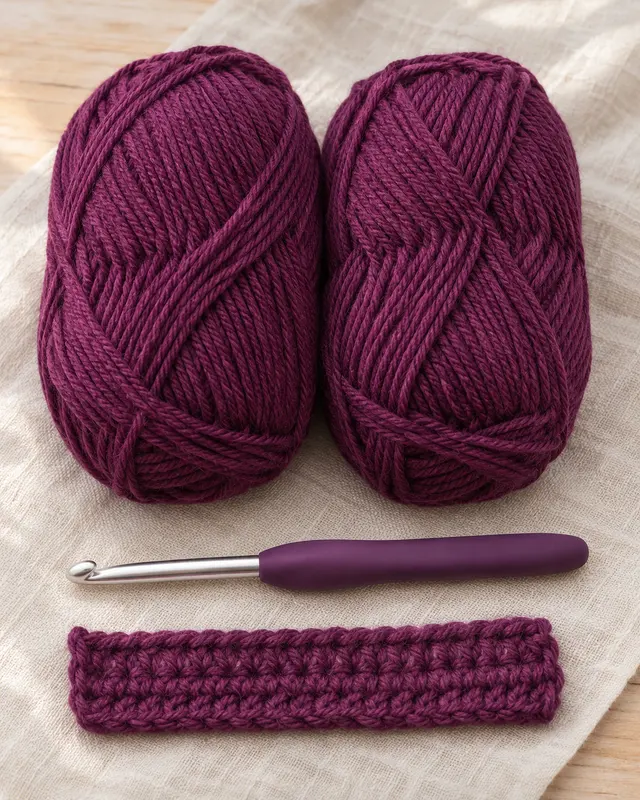
An adult-scarf kit can stay focused on one yarn, one suitable hook and a stitch that suits the intended dimensions. Confirm the complete pattern and recipient preferences before choosing the quantity or a particular fiber blend. A short plum strip gives the sample a practical place in the kit. Keep care information with the finished reference, and include any required edge or end-finishing tools before calling the set complete.
8. An adult-beanie kit

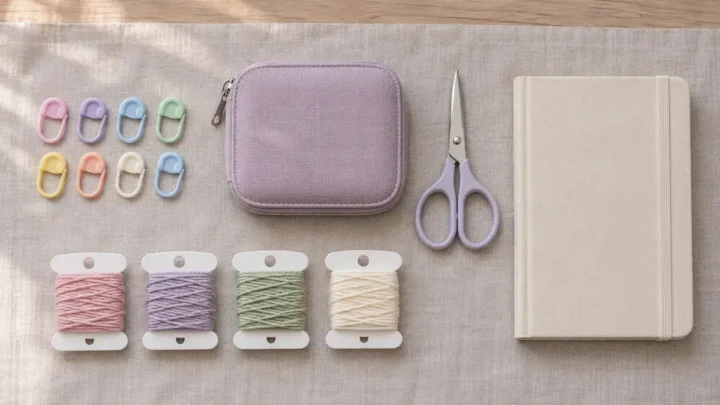
An adult-beanie kit needs actual sizing information as well as yarn and hook. Use a complete pattern with its required finished dimensions and gauge, then record the intended measurement and selected size. A real readable tape supports that work; the pictured unmarked tape is only an accessory illustration. Markers can preserve the pattern’s reference points, but cannot establish fit or replace the required fabric sample.
9. An adult-display amigurumi kit
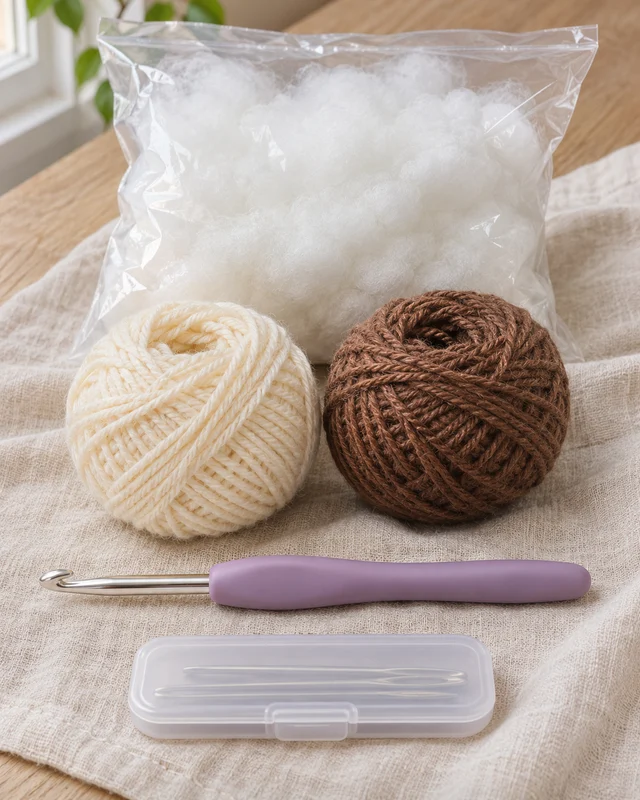
For an adult-display amigurumi goal, choose a complete decorative-object pattern and its specified yarn, hook, filling and finishing tools. Keep filling contained until needed and plan closed construction and attachments from the actual instructions. This set is for an adult display direction; the illustration provides no toy-safety assessment. Do not add a child-use claim, small-part approval or substitute stuffing prescription from the appearance of a soft figure.
10. A flower-motif kit
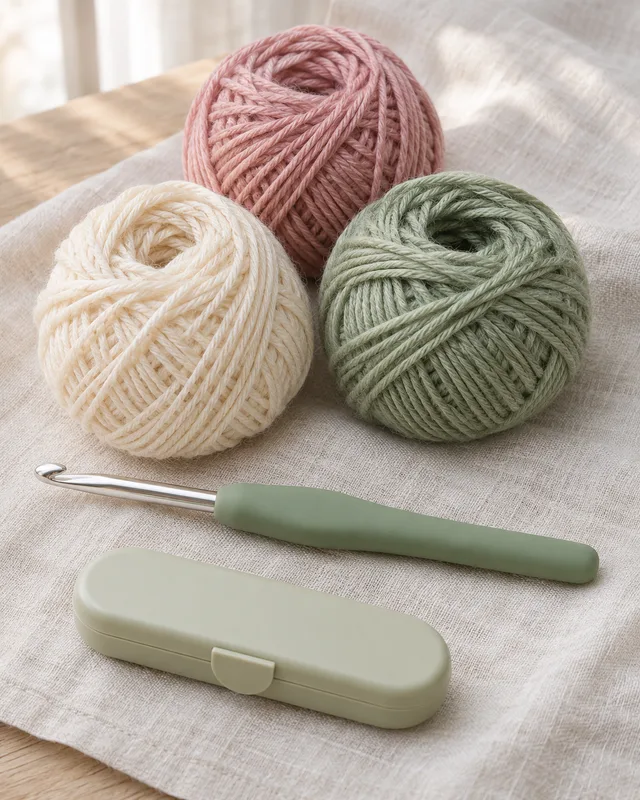
A flower-motif kit can use a limited petal, center and leaf palette with one suitable hook. Choose the full motif instructions before buying all three colors, including how separate parts will be finished and connected. A closed blunt needle case keeps finishing tools with the set. Decide whether the result remains a loose practice motif or belongs on another object, because that receiving surface needs its own suitable attachment plan.
Build around a technique or a specific next step
11. A fine-yarn practice kit

A fine-yarn practice kit requires the actual hook sizing system to be clear before purchase. Small steel hooks may use a numbering sequence different from ordinary lettered hooks, so check millimetres and the manufacturer’s information. Choose full instructions suited to the selected thread and technique. Keep the slender tool protected in an appropriate case, and add only the accessories required by the practice task rather than an unexplained bundle.
12. A Tunisian practice kit
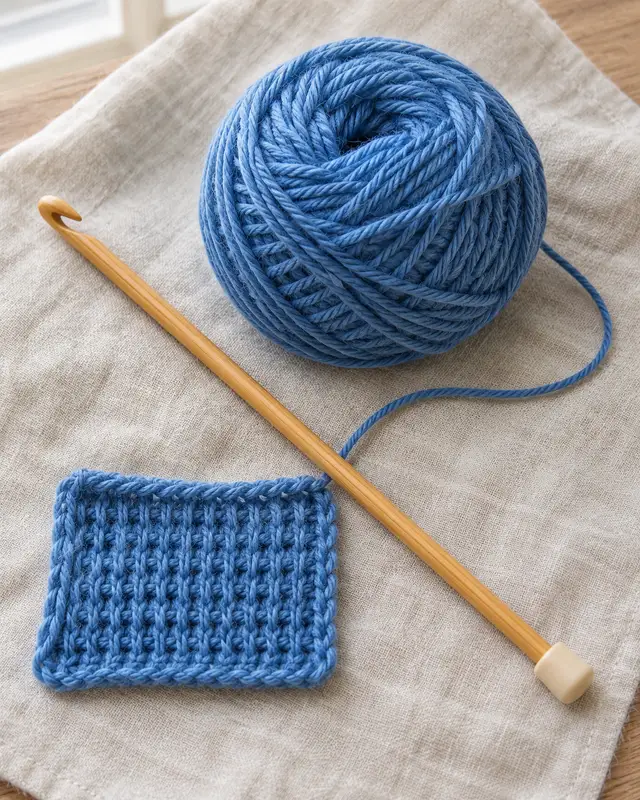
A Tunisian practice kit begins with the specific technique and required tool construction. A long single-ended hook with an end stop is one option for suitable work, while other projects need different arrangements. Follow the complete instructions for hook length, yarn and finishing, then sample the actual fabric. The blue rectangle illustrates a practice direction without claiming a counted stitch chart, universal hook choice or ready-made pattern.
13. A colorwork kit
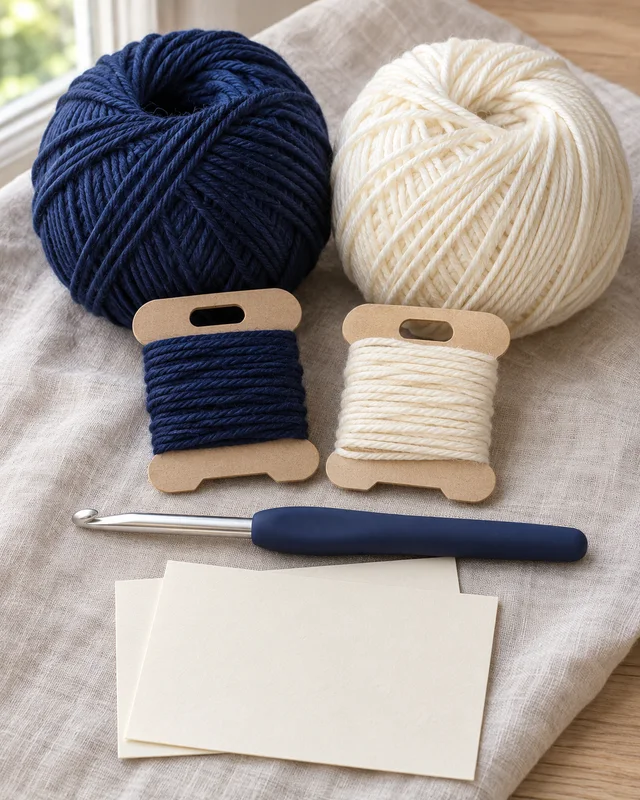
A colorwork kit should name the intended color-change method before deciding whether bobbins are useful. Choose two clearly distinguishable yarns compatible with the complete design and its care requirements, then record which color has each role. Include a representative color junction in the trial. Bobbins and blank cards support that plan, but the image does not supply strand lengths, chart repeats or instructions for managing the reverse.
14. A finishing kit

A finishing kit is useful when the next goal is completing existing fabric rather than starting another body. Gather suitable yarn lengths, the relevant hook and an appropriate blunt needle from the actual project requirements. Identify the unfinished edge, join or tail before selecting a method. A small square keeps the task visible, while the kit remains tied to the real fabric’s construction instead of a universal finishing recipe.
15. A portable practice kit

A portable practice kit can be deliberately small: the chosen yarn, the specific hook and a compact record of the current task. Add suitable contained finishing tools only when the instructions require them. Check that the real pouch holds the selection without catching the working loop or forcing tool points through its fabric. One modest practice goal makes the travel set easier to understand and return to between sessions.
Keep the first useful stopping point visible
- Name the complete task and instructions.
- Keep the actual product labels with the material.
- Record the accepted hook and finished sample where needed.
- Include the relevant finishing work before adding another project.
Use the yarn-and-hook hub to connect the kit with its fabric goal, and the storage ideas to give that specific selection a retrievable place. A useful starter kit supports a clear next step and a complete record rather than an arbitrary number of accessories.
- Yarn Weights Explained: Match Yarn to Project and Gauge
Understand yarn-weight categories 0–7, separate package mass from thickness and compare actual yarn, hook and finished gauge before substituting.
- Crochet Hook Size Chart: US, Metric and UK Reference
Compare selected crochet hook sizes in metric, US and UK references, with source notes, steel-hook distinctions and practical gauge guidance.
- 21 Useful Crochet Accessories for Organized Projects
Find 21 useful crochet accessories for organized projects, with task-specific notes on markers, finishing tools, records and contained storage.
- 11 Crochet Tools That Help with Stitch Counting
Compare 11 crochet counting aids, from start markers to manual counters and line guides, with clear routines for recording and verifying progress.
- 19 Crochet Storage Ideas for Yarn and Hooks
Explore 19 crochet storage ideas for yarn and hooks, from active-project trays to sample files, with practical access and material-care notes.
- 17 Yarn Types for Crochet Blankets and Throws
Compare 17 yarn types for crochet blankets and throws through actual labels, construction, care and finished fabric samples.
- 13 Yarn Choices for Crochet Bags and Accessories
Compare 13 yarn choices for crochet bags and accessories, including cords, ribbons and blends, with notes on gauge, joins and complete construction.
- 15 Crochet Hook Features Beginners Should Compare
Compare 15 crochet hook features, from head and shaft to handle and storage, using real tools, metric references and a controlled stitch sample.
- Crochet Yarn and Hook Guide for Different Project Types
Compare crochet yarn and hooks by project type, actual labels, metric references and complete fabric samples, with useful tools and reading routes.