In this article
A good crochet gift begins with a useful question: what would this person enjoy using, wearing or displaying? Starting there makes it easier to choose the size, materials and amount of work. A modest gift that fits a real habit can be more thoughtful than a large project chosen mainly because its photograph looks impressive.
This guide helps you compare gifts by recipient, budget and available time. It brings the practical decisions together before you choose a complete pattern. The linked collections offer visual directions rather than exact instructions for every picture. Use the actual pattern for dimensions, yardage, construction and finishing, then check its requirements against the materials and skills you have. Leave room in the plan for fitting, care and packaging as well as the crochet itself.
Start with a routine you actually know
Think about the recipient’s ordinary day. Do they carry a book, work at a desk, make things, wear a cowl or keep a small plant? Choose one concrete purpose and list the information it needs. A book sleeve needs the book’s dimensions; a desk tray needs a suitable place to sit; a hat needs a reliable size. Color and texture come after that useful outline.
Avoid turning a gift into an unexpected obligation. A living plant, elaborate care routine or decorative item for a crowded room may not suit the person. A discreet question can be more thoughtful than a surprise built on a guess. When measurements are unavailable, choose an unfitted object that still has a clear purpose.
Compare the complete materials budget
List yarn, lining, zipper or other hardware, insert or filling if needed and any packaging. Check the actual quantities rather than assuming a small project costs little. A pouch may use modest yarn but require a zip and fabric; a cushion adds an insert; a wearable may need more yarn than a photograph suggests. Include delivery costs only if they actually apply to your purchase.
Using yarn you own can be practical when its amount and care suit the pattern. Do not combine leftovers solely because their colors coordinate. Check thickness, fiber behavior and care compatibility, and make a sample where the combination matters. Keep labels and note the materials so the recipient can look after the finished gift.
The Craft Yarn Council yarn weight system can help you read a materials list. Its categories do not replace the pattern’s specific gauge, yardage or fabric requirements.
Estimate time from your own making pace
Choose familiar skills when the deadline is fixed. Time a representative piece or repeat, then add the work the picture does not show: joins, ends, lining, hardware, washing, drying and packaging. If you are making several items, finish the first completely before multiplying its time. Repeated crochet may become familiar, but each object still needs a final inspection.
Keep a simpler fallback within the same purpose. One finished coaster pair can replace a larger planned set, or a flat bookmark can replace a complicated pouch. Reduce the number of pieces before rushing the finishing. Avoid promising that an item is a one-hour or weekend project without evidence from the actual pattern and your own experience.
Match fitted gifts to the actual object or person
Measure devices in their normal cases, books including the spine and glasses with their arms folded. For clothing and accessories, use reliable measurements and supported pattern sizes. Check the usable opening as well as the outside dimensions. A lined sleeve loses some interior space to seams, and a drawstring top may gather more than expected.
If you adapt a pattern, change one variable deliberately and check its consequences. Adding rows to a rectangle may change height, but it does not automatically solve width, closure length or shaped corners. The safest planning route for a deadline is often a pattern whose size already suits the intended gift.
Choose gifts for friends by habit and preference
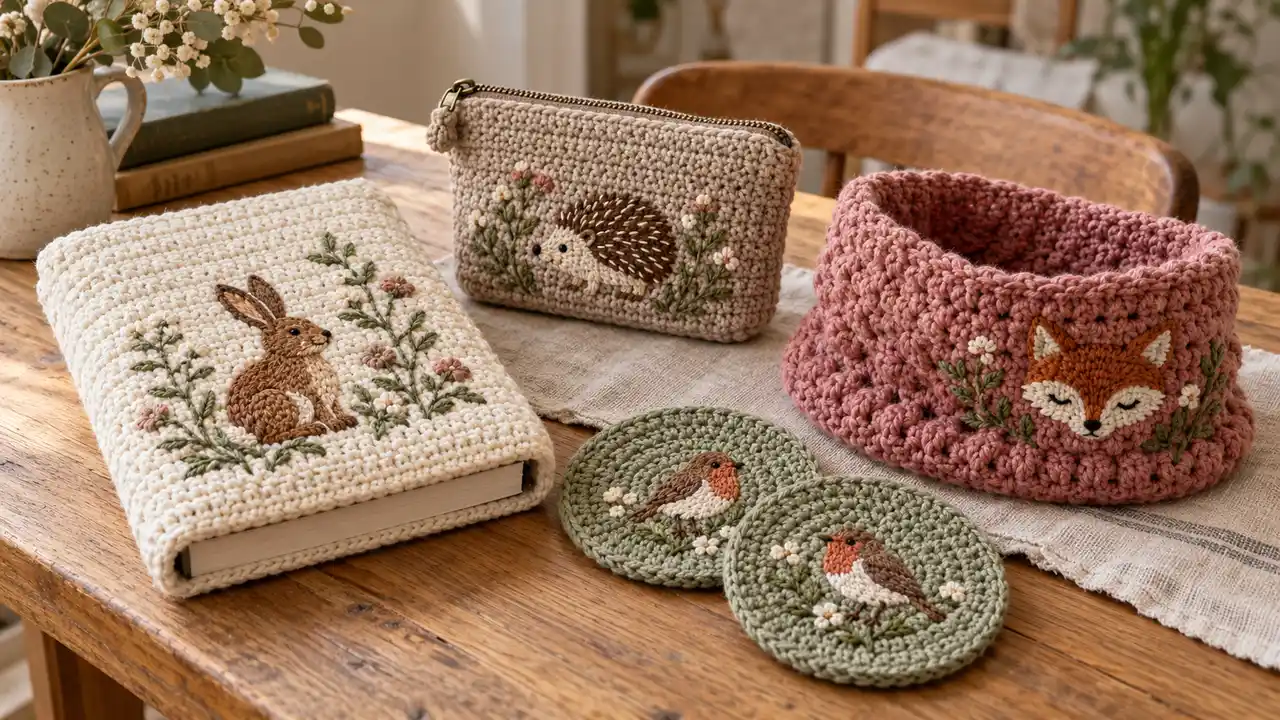
A friend’s favorite reading spot, hobby or everyday bag can suggest a useful project. A crochet plant or single flower may suit someone who enjoys a small display; a book sleeve or notions pouch can suit a practical routine. Personal does not have to mean adding a name or copying a pet exactly.
Compare 21 gifts for friends for options that connect to those habits. Choose a function first, then use the friend’s preferred colors or a simple motif to make it recognizable. Avoid making a matching pair simply because it looks appealing if only one person would use it.
Choose practical gifts without relying on stereotypes
For a man, partner, relative or friend, the same questions about use and fit apply. A bright coaster set, neutral scarf or measured cable pouch can all be appropriate when they match the person. Ask about preferred texture, opening and care rather than assuming a whole category of recipients wants the same colors or shape.
Use 19 practical gift directions to compare reading, desk, carrying and wearable items. Keep protective claims modest. A soft tablet sleeve does not establish drop protection, a lunch outer bag is not insulation and a pot sleeve is not waterproofing. Let suitable existing containers and cases keep doing those jobs.
Plan modest gifts for coworkers and teachers
A workplace thank-you is often best kept simple, useful and proportionate to the relationship. Check relevant school or workplace gift policies before adding gift cards or bought items. Consider the recipient’s space and avoid assuming a personal accessory, fragrance or plant will be welcome.
Compare 23 small workplace and teacher gifts before planning a batch. Choose a pattern with a sample you are willing to repeat, then track dimensions, yarn and the complete finishing time. Consistent quality matters more than making every gift look identical.
Package the care information with the gift
Include the actual materials and care instructions in plain language. If the item combines yarn, lining, filling and hardware, follow the most restrictive compatible requirements and the pattern’s guidance. Make sure anything washed before gifting has dried fully. Keep packaging easy to open and avoid hiding a closure or care detail the recipient needs.
Work one reading gift through the plan
Suppose your friend carries the same paperback in a work bag. A measured book sleeve gives you a concrete purpose and object to fit. Start with the book’s width, height and spine; choose a complete pattern for a compatible size; then list the yarn and any lining or closure that design actually requires.
| Decision | For this book-sleeve example |
|---|---|
| Recipient | A reader who already carries a particular book size |
| Materials | Check the chosen pattern’s yarn, lining and closure together |
| Time | Complete a sample and include seams and care before wrapping |
| Fallback | Choose a flat bookmark if a fitted sleeve will not fit the deadline |
The example is useful because each choice can be checked. It does not require an invented budget or a promised finish time. Repeat the same reasoning for a real recipient, using the actual pattern requirements and your own making pace.
Make the next decision small and concrete
Write down one recipient, one purpose and one realistic deadline. Use the small weekend gift collection to shortlist a familiar construction. Then choose the complete pattern, check fit and materials, and make the first finished sample before committing to a whole set.
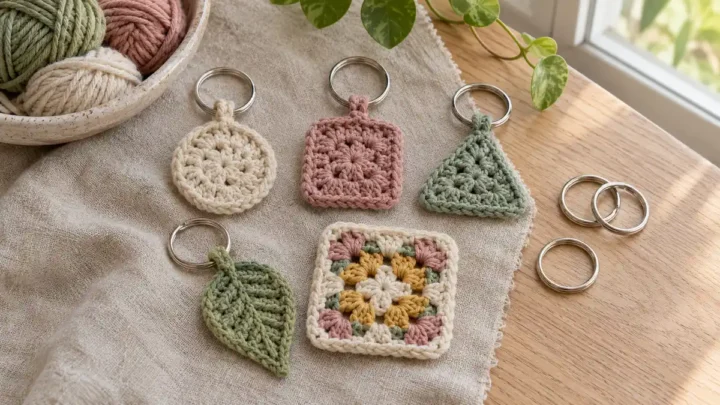
- 17 Crochet Keychain and Bag Charm Ideas
Find 17 crochet keychain and bag-charm ideas through flat geometry, miniature objects and supported loops, with practical finishing notes for adult accessories.
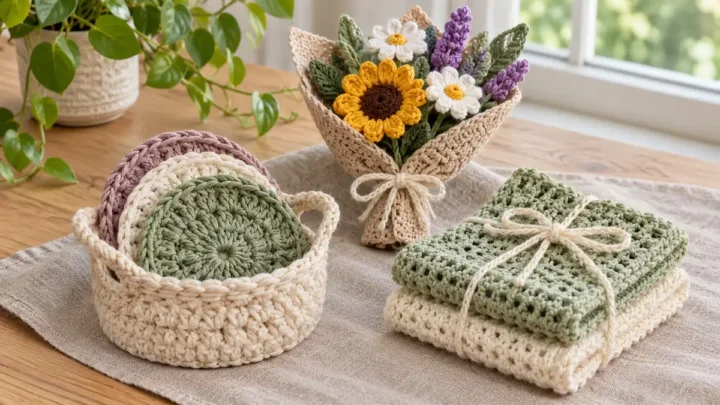
- 15 Crochet Gifts for Housewarming Parties
Compare 15 crochet housewarming gift ideas by real space, useful fit, cleaning and presentation, with notes on complete constructions and care records.
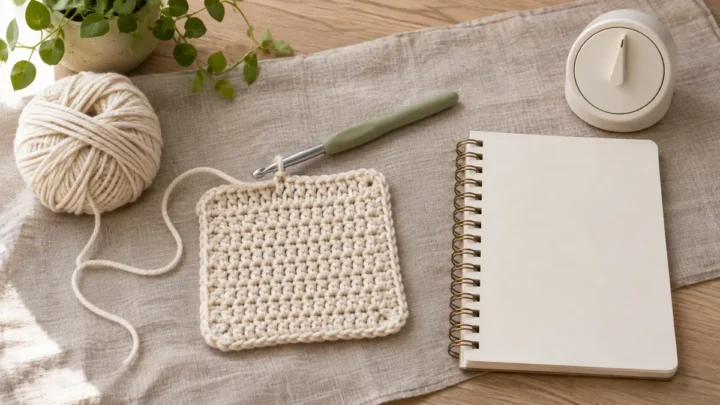
- How to Estimate Crochet Project Time Before Gifting
Estimate crochet gift time from an ordinary sample, named assembly tasks and real calendar sessions, with clear example arithmetic and no fixed promises.
- 27 Scrap-Yarn Crochet Gift Ideas
Explore 27 scrap-yarn crochet gift ideas, with practical ways to sort remnants, reserve finishing yarn and choose a useful small project.
- How to Choose the Right Crochet Gift for a Recipient
Choose a crochet gift from the recipient’s actual use, dimensions, care and available time, then finish a useful sample and handover record.
- 19 Practical Crochet Gift Ideas for Men
Explore 19 crochet gift ideas for men, including fitted accessories, book sleeves and desk organizers, chosen around real habits rather than stereotypes.
- 23 Small Crochet Gifts for Coworkers and Teachers
Compare 23 small crochet gifts for coworkers and teachers, with useful desk and reading ideas plus practical notes on batch making, care and gift policies.
- 21 Cute Crochet Gifts for Friends
Find 21 crochet gift ideas for friends, from reading accessories to project bags and cushions, with thoughtful ways to match a gift to real preferences.
- 25 Small Crochet Gift Ideas for a Creative Weekend
Browse 25 small crochet gift ideas for a creative weekend, with practical notes on fit, materials, finishing and choosing a project for your available time.