In this article
Not every frustrating crochet session begins with a difficult stitch. A dark fuzzy yarn, a tangled working strand or an unmarked row edge can hide the very information you need to learn. Before deciding your hands are the problem, look at the setup and change one practical thing that makes the work easier to see or control.
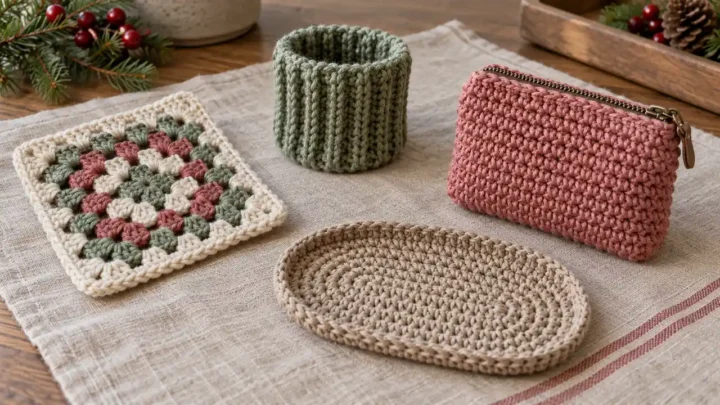
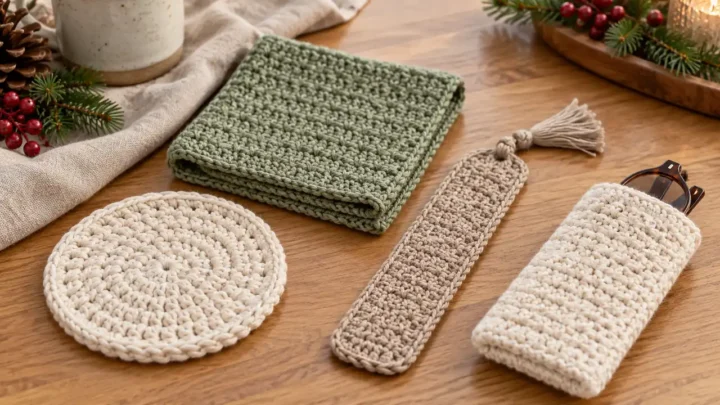
These eleven mistakes are checkpoints rather than a diagnosis from a photograph. The images illustrate tools and working arrangements; they do not prove that a particular swatch has an exact counting error. Use the written pattern and the actual fabric to check what is happening. A small visible sample, a simple record and a manageable workspace give you better feedback than repeatedly restarting a large project without changing anything.
1. Starting with yarn that hides the stitches
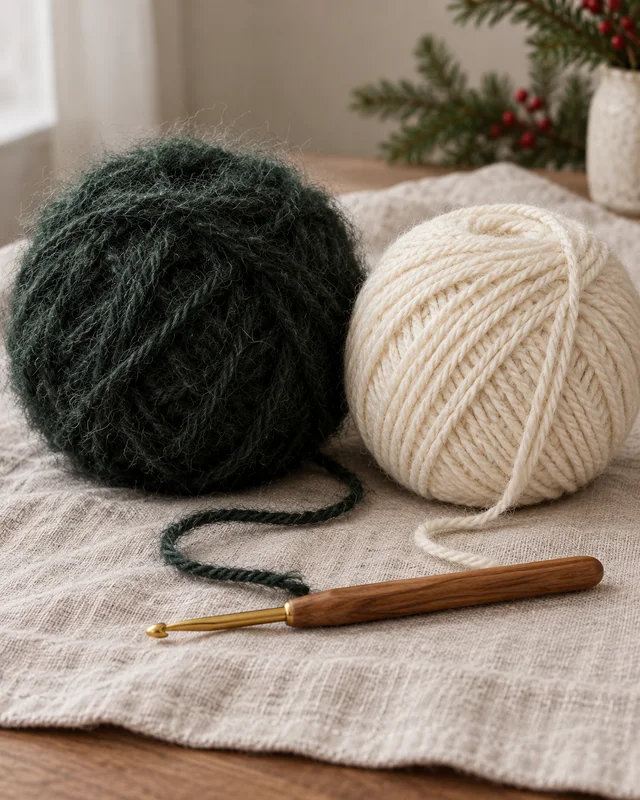
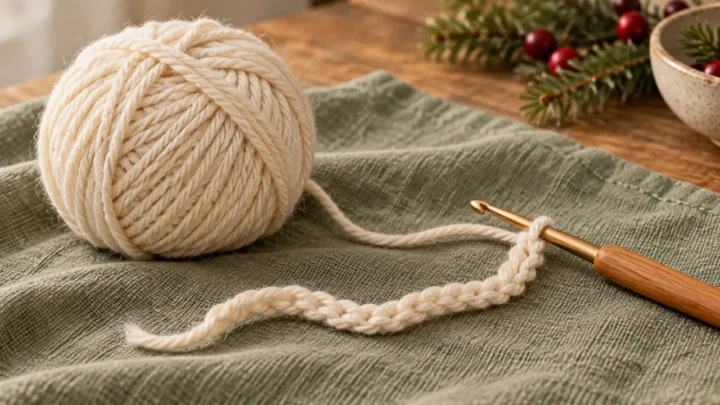
Very dark, fuzzy or highly irregular yarn can make it difficult to see where the next stitch begins. Put it aside for a first counting exercise and choose a smooth, clearly visible sample yarn that suits the practice instructions. Check whether you can identify the top loops without pulling at them. Better visibility gives you clearer feedback; struggling to see is not evidence that your hands cannot learn the motion.
2. Choosing a hook without checking the pattern
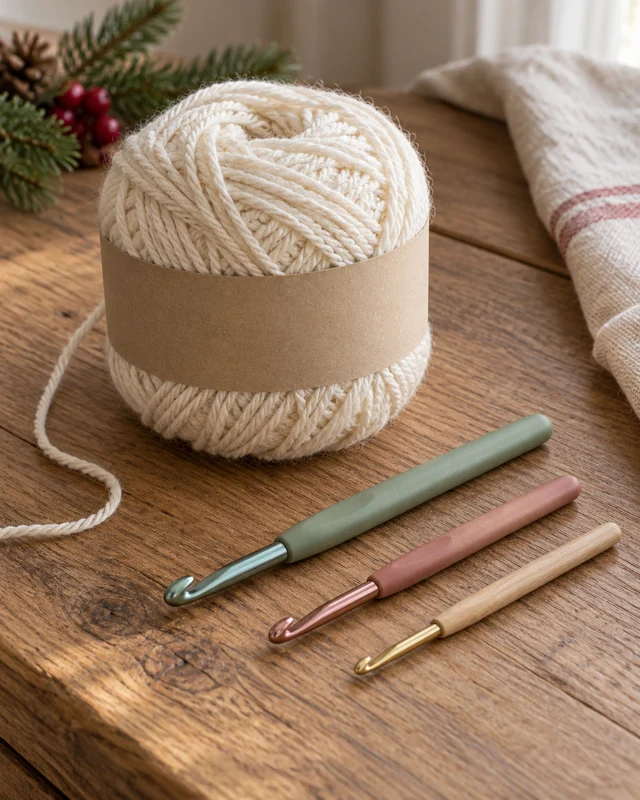
A hook chosen only because it was already nearby may produce a fabric unlike the pattern’s sample. Read the required materials, confirm the hook’s actual marking and make the specified swatch. If the result differs, change one variable deliberately and compare again. Similar-looking hooks can feel different in use, so keep a note of the one that produced the sample instead of relying on color or handle shape.
3. Pulling yarn from a tangled supply
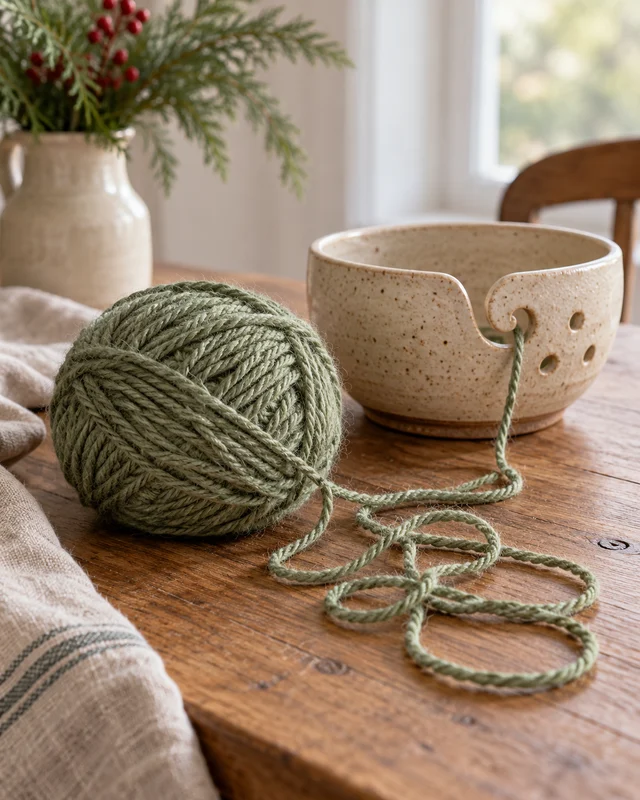
A tangled supply makes each stitch a fight against resistance that did not come from the stitch itself. Pause, free a manageable length and arrange the ball so the yarn feeds without catching. Keep it clear of chair legs and sharp tools. Resume a small sample and compare the motion. Avoid tightening your grip to overcome the tangle; solve the supply problem before judging your tension.
4. Working in a cramped dark corner
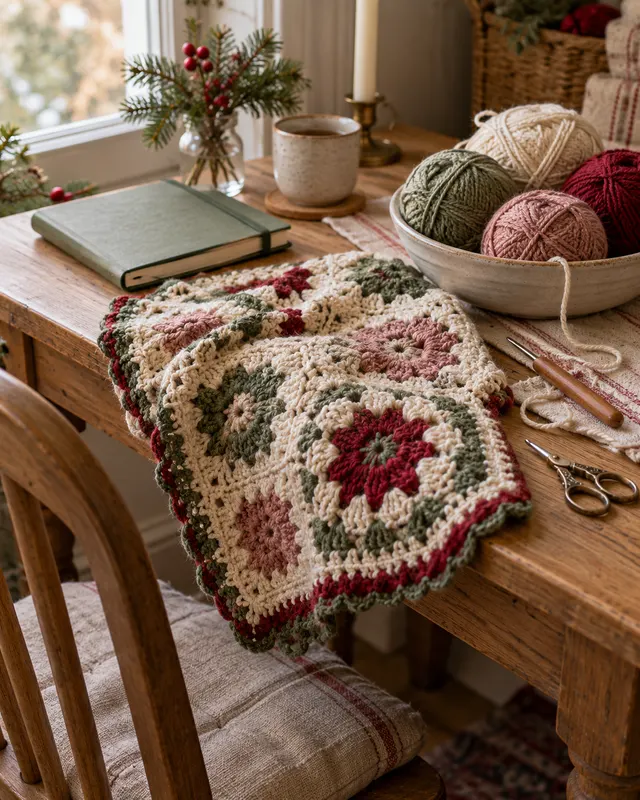
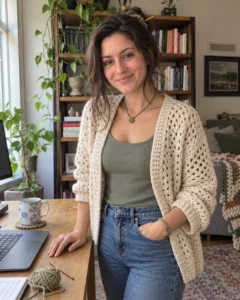
A cramped or poorly lit position can make an ordinary stitch feel harder to see and control. Clear enough space for the yarn to move and position light so your own hands do not hide the work. Choose a comfortable seat and take breaks before discomfort becomes your normal working posture. A small uncluttered practice area is more useful than copying a crowded craft-table photograph.
5. Losing the row edges
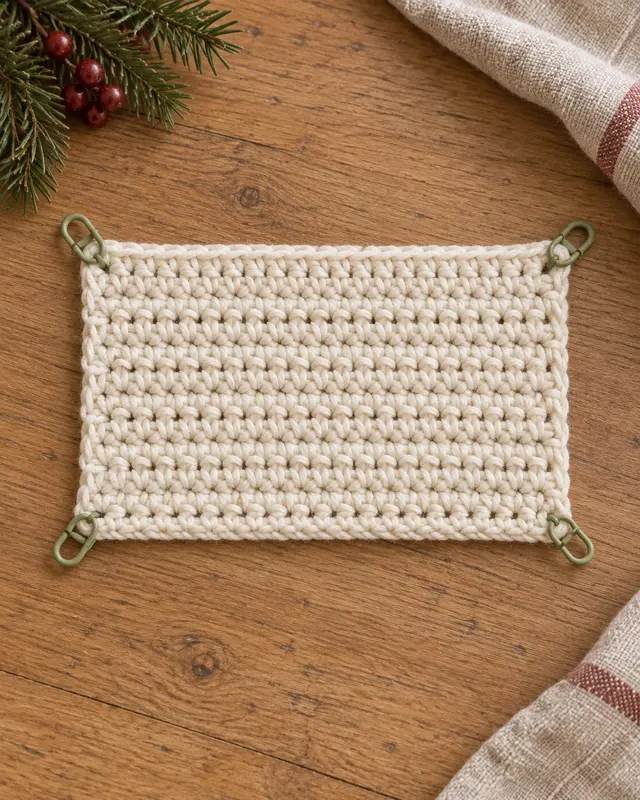
Unmarked row edges are easy to lose when the first or last stitch looks different after turning. Follow the pattern’s treatment of the turning chain and use removable markers where they help identify the actual edge stitches. Count before starting the next row. If the width changes, review the end of the previous row rather than adding a border to disguise the missing or extra stitch.
6. Confusing the tail with the working yarn
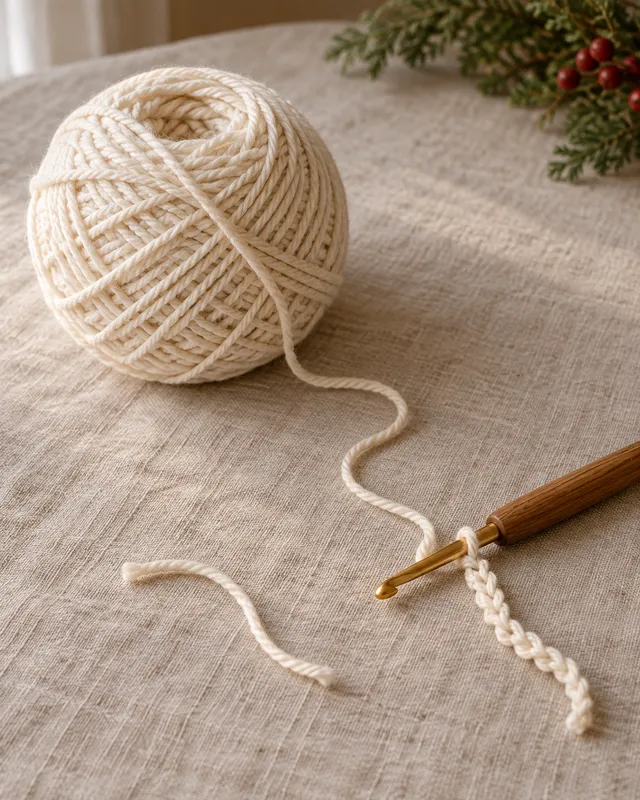
The short tail and the strand leading back to the ball do different jobs. Identify both before forming the next stitch, and reposition the work if they have become difficult to distinguish. Use a short practice chain to check that the working strand can feed freely. Pulling repeatedly on the tail can alter the starting knot without helping the yarn move through the hook.
7. Relying on memory instead of a count
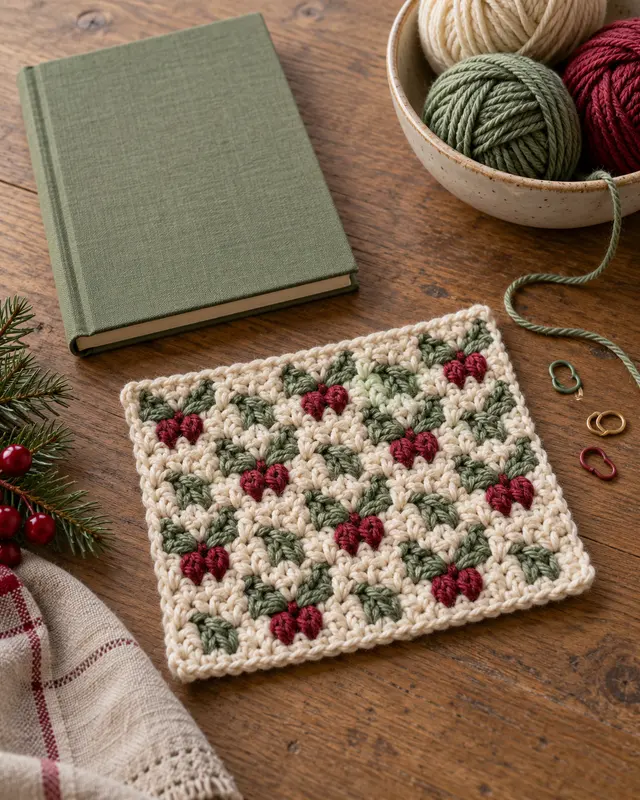
A remembered count can change after a conversation, phone call or break. Use a simple row record and the markers specified by the pattern, then compare the record with the work when you return. Mark a definite stopping point rather than leaving an ambiguous half-finished action. A note is a practical tool, not a failure of memory, and it can prevent unnecessary unraveling later.
8. Making the first trial too large
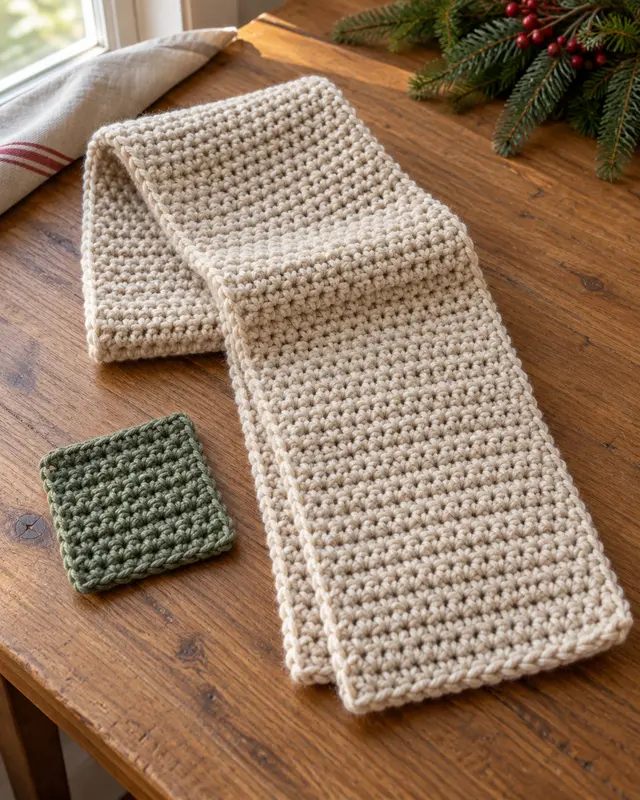
A long first project can repeat an unnoticed error for a long time before you see the result. Begin with a small sample using the same materials and stitch instructions, then inspect its edges, count and feel. Choose the larger project after that sample behaves as expected. Reducing the practice size gives faster feedback without pretending a small sample is already a fitted or tested finished item.
9. Leaving finishing tools until the end
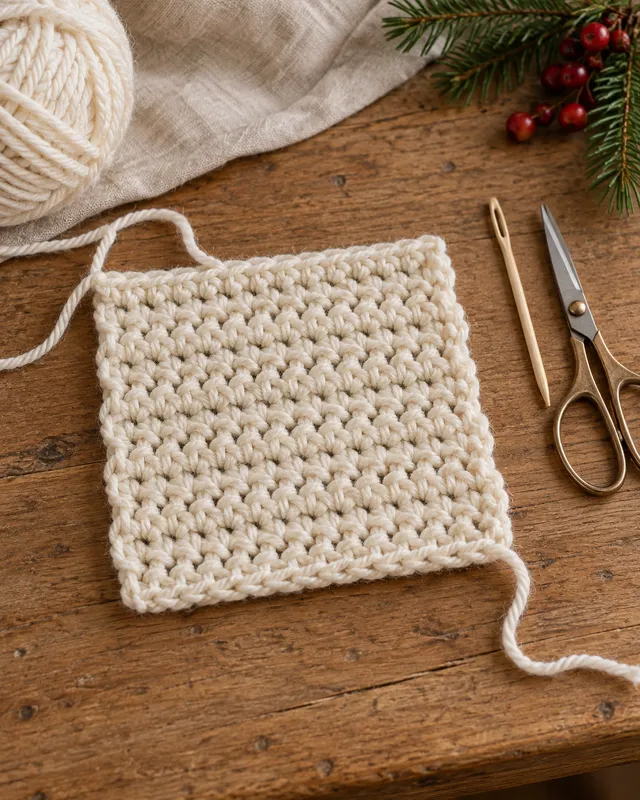
Finishing tools are part of the project, even when the crochet itself needs only a hook. Read the ending and joining steps before starting, and have an appropriate yarn needle and cutting tool ready. Practice securing an end on the sample rather than leaving every tail for an unfamiliar final session. Loose unfinished ends can make otherwise steady work look incomplete and complicate later washing or assembly.
10. Changing materials without a new sample
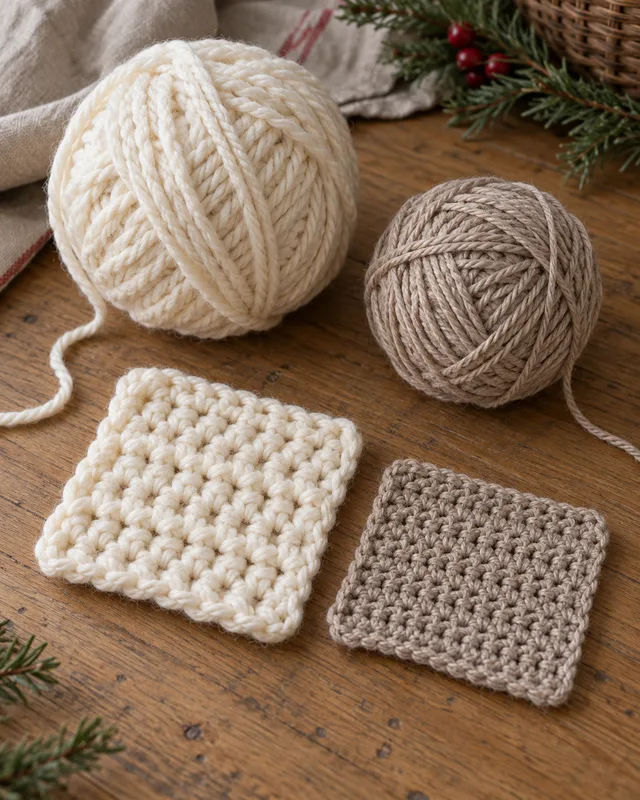
A different yarn, hook or texture can change dimensions even if you keep the same stitch count. Make a new sample before introducing a substitution into a fitted project. Record the change and compare the finished measurements and feel. Do not rely on two balls looking equally thick; keep the pattern’s gauge and the actual materials in the decision rather than guessing from their appearance.
11. Discarding the care information

A discarded yarn band can take useful fiber, quantity and care information with it. Keep the label or record its details before the ball is finished, especially if you will give the item away. Follow the actual materials’ limits when finishing and cleaning. A plain photograph cannot reveal the care instructions, and knowing only the yarn’s color will not help you identify it reliably later.
Reset the setup without restarting everything
| What feels difficult | Change one thing | Check the result |
|---|---|---|
| The stitch is hard to identify | Use a visible sample yarn and better light | Can you find the same loops consistently? |
| The yarn will not feed | Clear the supply path and tangle | Can the strand move without a stronger grip? |
| The width keeps changing | Mark the instructed edges and count | Does the next short sample keep its count? |
Pause before changing several variables at once. A different yarn, hook, grip and project size may make the next attempt feel different without showing which adjustment helped. Keep a simple note and use a small sample that you can inspect. Take a break from an uncomfortable working position rather than treating discomfort as part of learning.
Return to the starting-knot and chain guide for the basic motions, or choose one focused task from the practice collection when the setup is ready.
- 25 Crochet Project Ideas for Learning New Skills
Choose from 25 crochet skill-building project ideas, from color changes and shaped samples to zips, lining, textures and fitted basket lids.
- How to Hold Yarn, Make a Slip Knot and Start a Crochet Chain
Learn to hold crochet yarn, make an adjustable slip knot and build a short chain, with practical counting and troubleshooting checks.
- 19 Beginner Crochet Projects That Make Useful Gifts
Explore 19 useful crochet gift projects with a beginner focus on steady fabric, simple assembly, fit and a complete finish before wrapping.
- 13 Small Crochet Project Ideas for One Ball of Yarn
Compare 13 small crochet project ideas for a single yarn ball, with a practical yardage-first approach to size, paired pieces, finishing and fit.
- 17 Crochet Practice Projects for Learning Basic Stitches
Find 17 crochet practice projects organized around useful skills: steady rows, counting, shaping, borders and simple joins, with clear checks for progress.
- Crochet Supplies for Beginners: A Simple Starter Kit
Start with one useful yarn-and-hook pairing, a few finishing tools and a pattern you can follow. Add specialist supplies when a real project needs them.
- How to Crochet for Beginners: A First-Project Guide
Choose a manageable first crochet project, understand the supplies you need and build a learning path without buying a cupboard full of yarn.
- 15 Easy Crochet Project Ideas for Beginners
Start with the practice square for counting, the washcloth for a useful rectangle or the envelope pouch when you are ready to fold and join.
- 21 Small Crochet Projects for a Creative Weekend
For the simplest outline, shortlist the page marker or small cloth. For a useful organiser, compare the notions pouch and hook roll. For a decorative project, consider a very short garland.